
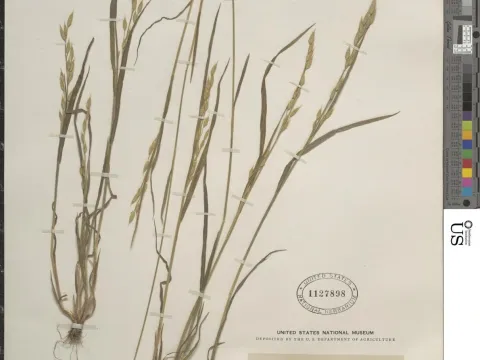
Tiger brome
Bromus tigridis
Tiger brome is a perennial grass species belonging to the Poaceae family. This crop is a valuable representative of wild flora, which is increasingly being considered as a promising component for establishing cultivated meadows and pastures.
What the section contains
Tiger brome
The optimal sowing time for this crop falls in the early spring period when the soil has sufficient moisture reserves for seed germination. In southern regions, winter sowing is permitted, allowing plants to utilize snowmelt moisture for effective rooting.
The seeding depth for Tiger brome varies within 1–2 centimeters, depending on the soil's mechanical composition. During sowing, it is crucial to ensure good contact between seeds and the soil substrate, using light rollers immediately after the seeder passes.
The seeding rate is calculated based on the purity and germination capacity of the seed material, averaging between 12 and 16 kilograms per hectare for solid row planting. Using high-quality seeds ensures an even stand as early as the first year of vegetation.
The crop is characterized by a slow growth rate in the first weeks after emergence; therefore, it is critical to implement timely weed control during the early developmental stages to avoid competition for light and nutrients.
Tiger brome demonstrates high ecological plasticity, developing successfully in various climatic conditions. It prefers open areas with good sunlight exposure and moderate moisture throughout the active growing season.
The plant has moderate soil requirements, but peak productivity is achieved on well-drained loamy and sandy loam soils. The crop is capable of tolerating short-term drought due to its well-developed root system.
An important requirement for successful cultivation is the absence of prolonged water stagnation in the root zone. Excessive moisture combined with low temperatures can lead to plant suppression and the development of root rot.
The plant responds well to balanced mineral fertilizers, especially nitrogen top-dressing during the tillering phase. Nitrogen contributes to rapid green mass accumulation, which is essential for forage purposes.
In its natural habitat, Tiger brome is adapted to temperature fluctuations and can withstand moderate winter frosts if there is sufficient snow cover to protect the tillering nodes from freezing.
The agricultural use of Tiger brome is focused on producing high-quality hay and grazing forage. The plant possesses high nutritional value during the heading phase, making it a valuable component of grass mixtures for livestock.
Average green mass yields depend on soil fertility and the level of agronomic care. With proper mineral nutrition management and regular mowing, the crop is capable of producing 2 to 4 cuts per growing season.
In addition to hay production, Tiger brome is effectively used to improve natural meadows through overseeding. Its ability to regrow actively after grazing makes it an ideal option for organizing pasture rotations.
The seed productivity of this crop is also of interest for seed stock multiplication. Under favorable conditions, stable seed yields can be obtained, characterized by good field germination and seedling vigor.
The crop's resilience to frequent mowing allows the stand to be utilized for several years without significant productivity loss, which minimizes costs associated with annual reseeding of agricultural land.
Tiger brome is relatively resistant to most typical grass diseases, although poor agronomic practices can lead to rust and powdery mildew infections. These fungal diseases can significantly reduce the quality of green mass.
Pests that pose a threat to the crop include cereal flies and meadow moths, which can damage reproductive organs and stems during intense growth periods. Monitoring pest populations is a mandatory part of any protection system.
For disease prevention, it is recommended to follow proper crop rotation and avoid dense stands that promote high humidity within the canopy. Air circulation within the stand is key to crop health.
Using disease-resistant varieties and preparing weed-free seed material are the primary methods for reducing biological threats. Chemical treatment is applied only when the economic damage threshold is exceeded.
Regular mowing of the stand helps interrupt the development cycles of many harmful organisms by depriving them of food sources and overwintering sites, making this agronomic practice a vital link in phytosanitary control.
Hay harvesting is conducted during the full heading phase when the plant contains the maximum amount of nutrients and proteins. Timely mowing ensures the collection of high-energy-value feed.
During harvesting, it is important to control the moisture content of the cut material. Drying to a moisture content of no more than 15–17% is considered optimal to prevent mold development and loss of nutritional properties during storage.
The use of modern mower-conditioners allows for faster dehydration of the cut grass, which is critical during unstable weather conditions at harvest time.
If the goal is seed production, harvesting is carried out by direct or split combining when seeds reach wax maturity. This prevents seed shattering, which is characteristic of many wild grasses.
Post-harvest seed processing includes cleaning impurities and drying to standard moisture levels. Proper storage of seed material guarantees high germination rates in the following season.