
Sporobolus domingensis
Sporobolus domingensis
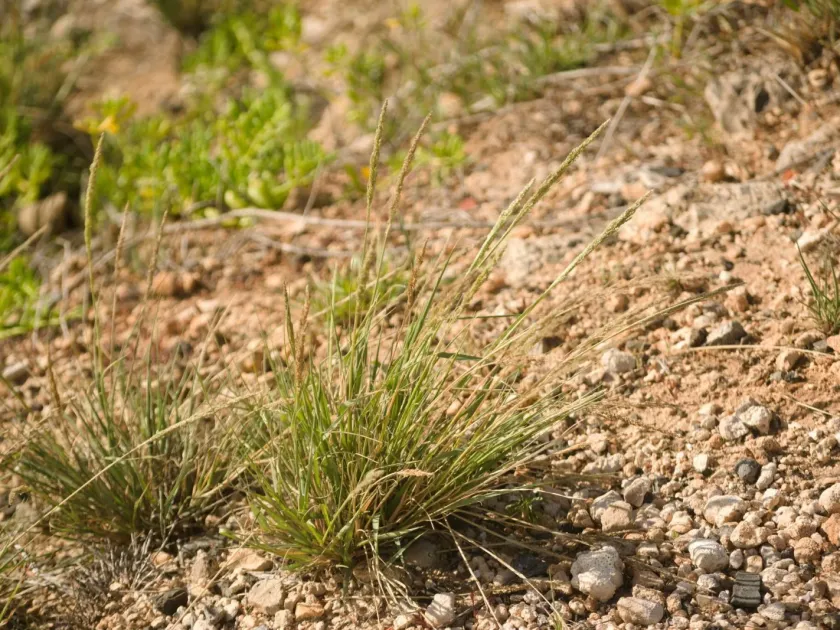
Description
Growing requirements
Sporobolus domingensis is a robust perennial grass species belonging to the Poaceae family. Known for its high tolerance to saline environments, this grass has evolved to thrive in ecological niches that are often too harsh for other species.
The plant originates from the tropical regions of the Caribbean and coastal areas of the Americas. Its natural habitat consists of sand dunes, coastal marshes, and salty soils where extreme environmental conditions prevail.
The crop is highly undemanding regarding soil fertility. It thrives in nutrient-poor sandy substrates and demonstrates remarkable resilience to high salinity and extreme pH levels, making it a candidate for reclaiming degraded lands.
Climatic requirements are centered around ample sunlight and warm temperatures typical of tropical and subtropical zones. Being a xerophytic plant, it maintains metabolic stability even during prolonged drought periods.
Economically, Sporobolus domingensis is primarily valued for land stabilization. Its deep and expansive root architecture is exceptionally effective at binding loose, sandy soils and mitigating damage caused by coastal erosion.
Main diseases and pests
Excessive soil moisture is the primary physiological threat to the plant. As a species adapted to well-drained sandy environments, waterlogging severely inhibits root respiration and encourages the onset of various fungal root pathogens.
Pests that typically attack graminoids, such as leaf-eating caterpillars or sap-sucking insects, may occasionally affect plant density. However, the plant's structural toughness often acts as a natural defense mechanism against minor herbivory.
Weed interference during the establishment phase is a significant concern. Young plants grow slowly and require managed conditions to ensure they are not shaded out by faster-growing opportunistic weeds.
Soil compaction serves as an abiotic threat, limiting the oxygen supply to the rhizosphere and weakening the plant's overall vigor. Implementing appropriate land management strategies is essential to maintain soil porosity.
Overgrazing poses a long-term risk to the sustainability of the stand. Excessive removal of biomass reduces the plant's ability to store carbohydrates, which is critical for its survival and regrowth in nutrient-deficient environments.