
Sporobolus advenus
Sporobolus advenus
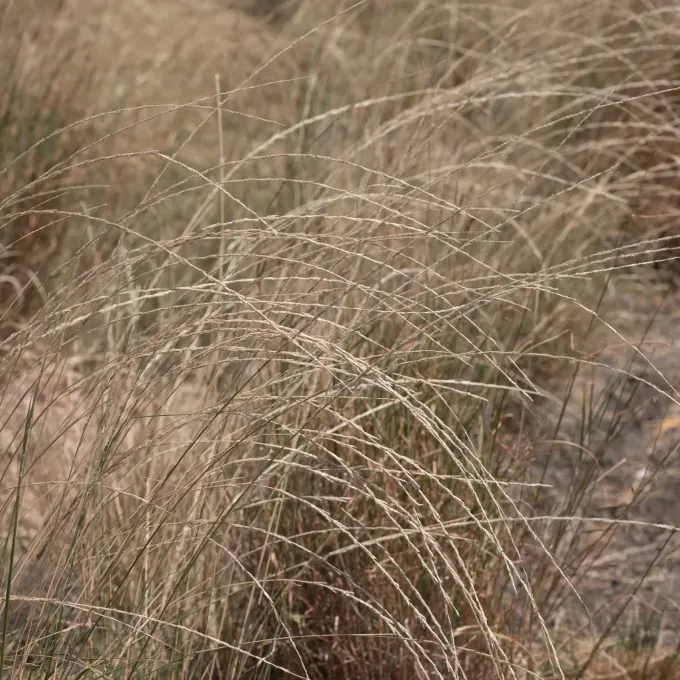
Description
Sowing dates
Sporobolus advenus belongs to the Poaceae family and is recognized as a hardy perennial grass species suitable for diverse agro-climatic conditions.
Sowing should ideally occur in the spring when soil temperatures reach stable levels, ensuring optimal germination and initial seedling development.
Given the small seed size, shallow sowing at a depth of no more than 1 centimeter is recommended to ensure the best emergence rates.
Seedbed preparation requires careful mechanical cultivation to remove existing weeds that could compete with the slow-growing seedlings during the first weeks.
Proper spacing is crucial to allow the plant to establish its deep root system, which is a signature characteristic of this species.
Growing requirements
The plant thrives in full sun, showing high sensitivity to shaded environments which can negatively impact the biomass yield and nutritional profile.
Regarding soil preferences, it performs best in well-drained sandy loam textures that prevent root suffocation during periods of high rainfall.
Sporobolus advenus is noted for its exceptional drought tolerance, making it an excellent candidate for regions where water resources are restricted.
A neutral to slightly acidic pH range is generally optimal, promoting efficient uptake of macro and micronutrients from the soil profile.
Regular fertilization with nitrogen and potassium is highly beneficial for increasing foliage density and overall crop vigor during the growing season.
Main diseases and pests
Common agricultural threats include rust and powdery mildew, particularly when plant density is high and air circulation within the field is poor.
Insect pests, such as various species of grasshoppers and soil-dwelling beetle larvae, can cause damage to the leaf blades and root systems respectively.
Integrated Pest Management (IPM) strategies, including crop rotation and monitoring, are recommended to maintain healthy stands without excessive chemical use.
Controlling invasive weed species in the field is vital to prevent competition and the potential spread of soil-borne pathogens across the crop.
Proper sanitation of farming equipment is a simple yet effective way to prevent the accidental introduction of diseases from one field to another.
Harvesting
Harvesting for fodder is best performed at the early heading stage, ensuring the plant mass is still soft, palatable, and rich in crude protein.
The cutting height should remain at about 5 to 7 centimeters to protect the crown of the plant and ensure rapid recovery for subsequent harvests.
Field curing or mechanical drying should be managed quickly to minimize nutrient loss and preserve the quality of the harvested hay product.
For seed production, harvesting must be timed precisely as the seeds mature, employing moisture management to prevent seed shattering in the field.
Post-harvest management involves adequate fertilization and minimal disturbance of the soil to support the perennial nature of the grass stand.