
Sporobolus australasicus
Sporobolus australasicus
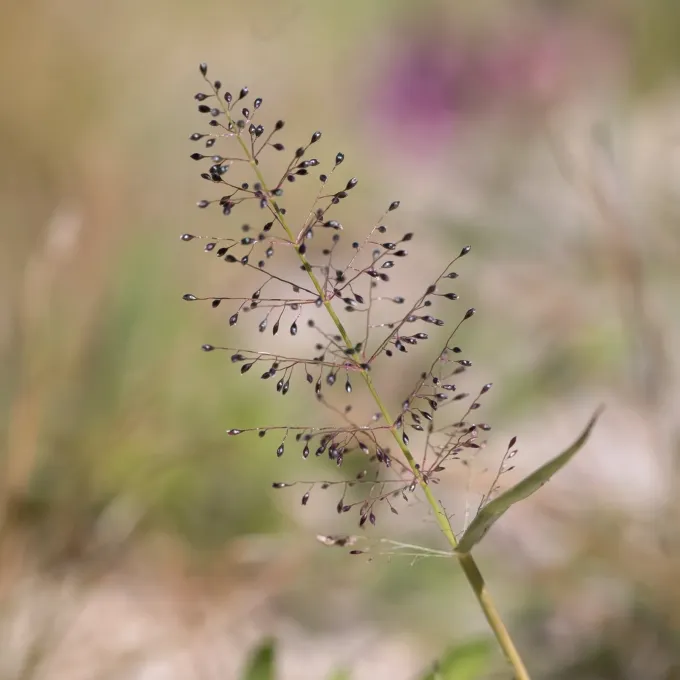
Description
Sowing dates
Sowing Sporobolus australasicus requires careful monitoring of soil temperature to ensure the seeds break dormancy effectively and establish a healthy root system.
The ideal planting window is once the risk of spring frost has passed, providing the seedlings with a warm and stable environment for initial development.
Surface sowing with light soil coverage is recommended, as seeds need moderate access to light and oxygen to achieve high germination rates.
Seeding rates should be calibrated based on the desired plant density to reduce competition for soil nutrients and moisture in the early stages.
Using certified seed lots ensures purity and higher success rates in field trials compared to using uncleaned or wild-collected seed materials.
Growing requirements
Sporobolus australasicus is a member of the Poaceae family, known for its ability to thrive in diverse Australian environments with varying water levels.
The crop prefers sandy or well-drained loamy soils where waterlogging is minimized to prevent root respiration issues and anaerobic stress.
Full solar exposure is essential for this grass, as it has a high metabolic demand for sunlight to drive its photosynthetic processes throughout the season.
While drought-tolerant, the crop shows significantly better biomass production when provided with consistent moisture during the vegetative stage.
Soil management practices, such as maintaining a neutral pH, help optimize nutrient availability and promote strong growth of the plant stands.
Yield
Biomass yield depends largely on the fertility status of the soil and the application of nitrogenous fertilizers during the peak growth period.
Multiple harvests per season are possible if the crop is managed under favorable irrigation conditions and cut at the correct physiological stage.
Yield stability is maintained by ensuring that plant density remains within recommended ranges to avoid stunted growth caused by overcrowding.
Optimizing the harvest timing based on the developmental stage ensures the highest possible nutrient concentration for forage or silage purposes.
High-yield management systems often include inter-row cultivation to ensure the soil remains aerated and free from competitive weed species.
Main diseases and pests
Common threats to this species include fungal infections such as leaf rust, which can proliferate rapidly under high humidity or poor ventilation.
Root zone pests and sucking insects are significant concerns that can weaken the plants and reduce their overall resistance to environmental stress.
Integrated pest management strategies are crucial for maintaining the health of the fields without over-relying on synthetic chemical treatments.
Crop rotation serves as a fundamental preventive measure against the buildup of soil-borne pathogens that target grass families.
Regular field scouting is essential to identify infestations early and apply corrective actions before the economic threshold is exceeded.
Harvesting
The harvesting process should be timed to capture the peak nutritional quality before the plant shifts its energy toward seed production.
Mechanical harvesting equipment must be set to an appropriate cutting height to avoid damaging the crown of the grass, which promotes regrowth.
Drying and storage protocols must be strictly followed to prevent nutrient loss and ensure the stability of the harvested forage for future use.
When collecting seed, harvesting should occur when the inflorescences show signs of maturity but before significant shattering occurs in the field.
Post-harvest conditioning and cleaning are vital steps in ensuring that the product meets quality standards for feed or industrial usage.