
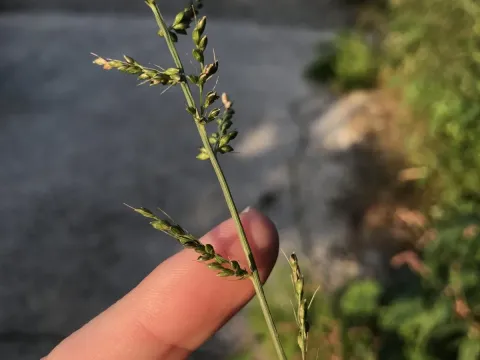
Setaria chondrachne
Setaria chondrachne
Setaria chondrachne is a perennial grass species belonging to the Poaceae family. Sowing is typically scheduled during the late spring when soil temperatures reach 12–15 degrees Celsius, ensuring favorable conditions for seed germination and seedling establishment.
What the section contains
Setaria chondrachne
The seeding depth should be shallow, generally between 2 and 3 centimeters. This practice allows for a rapid emergence of seedlings and helps the grass establish a robust root system before the onset of extreme summer heat.
Drill seeding with row spacing between 15 and 30 centimeters is the recommended method. This configuration optimizes space for individual plants while promoting early canopy closure, which helps suppress weed growth effectively.
The seeding rate is determined based on the germination quality and field conditions, typically falling between 10 and 15 kilograms per hectare. Using high-quality seeds is essential for establishing a dense and uniform stand from the first year.
Post-sowing rolling is a vital agronomic practice that improves soil-to-seed contact. By compacting the soil, it enhances capillary water movement, which is critical for supporting the initial growth phases in drier conditions.
This species thrives in sunny, well-drained environments and is known for its high drought tolerance. Its extensive root system allows it to access deeper soil moisture, making it an excellent candidate for regions with unpredictable rainfall patterns.
Fertile soils, particularly loams and chernozems with a neutral to slightly acidic pH, provide the best conditions for growth. Adequate soil aeration is crucial for root respiration, as the plant does not tolerate waterlogged areas.
Balanced fertilization is key to maintaining high biomass yields. Nitrogen applications significantly stimulate vegetative growth, while phosphorus and potassium are essential for long-term stand persistence and resilience against environmental stress.
The plant demonstrates significant ecological plasticity, enabling it to adapt to various soil types. However, selecting fields with good natural drainage is the most effective way to ensure longevity and consistent productivity of the stand.
In rotational grazing systems, the plant recovers quickly provided that soil fertility is managed properly. Proper site selection and nutrient management can lead to a highly productive and durable forage resource for livestock.
Setaria chondrachne is highly valued in animal husbandry for its nutritional density. It provides high levels of crude protein and digestible fiber, making it a suitable forage source for cattle, sheep, and horses alike.
The species is known for its strong regrowth capacity after harvesting, allowing for multiple cuts within a single growing season. This high productivity makes it an attractive choice for farmers focused on hay or silage production.
As a pasture plant, it maintains good forage quality throughout the summer months when other grasses might become dormant. This reliability helps ensure a stable supply of nutrients for livestock during the grazing season.
Silage produced from this grass stores well and retains most of its nutritional properties, which is crucial for winter feeding programs. It provides a reliable source of energy and protein for animals during stable-feeding periods.
Yield stability is heavily dependent on proper agronomic management, including timely fertilization and appropriate harvesting cycles. Consistent management practices enable farmers to maximize the return of nutrients per hectare.
Common diseases affecting this crop include various forms of rust and smut. These fungal pathogens often thrive in high-humidity conditions, potentially impacting both leaf health and overall biomass production quality.
Pests such as grass flies, beetles, and aphids can pose a threat, particularly to young shoots and growing points. Integrated pest management strategies are recommended to monitor populations and intervene when necessary.
Inappropriate grazing management or heavy livestock pressure can cause severe damage to the plant's crown. This weakening can facilitate weed invasion and negatively affect the plant's winter hardiness and future growth.
Early-stage weed competition is a significant challenge during the establishment year. Mechanical methods, such as periodic mowing or shallow harrowing, are essential for protecting seedlings from being outcompeted.
Crop rotation serves as a primary preventative measure against soil-borne pathogens. Avoiding continuous planting in the same field helps maintain soil health and reduces the pressure from pests specific to the grass family.
The ideal harvesting window for hay is at the initiation of the heading stage. This timing captures the optimal balance between biomass volume and nutritional quality, specifically the fiber-to-protein ratio.
For silage production, it is advisable to harvest slightly earlier to prevent stem lignification. A higher leaf-to-stem ratio at the time of harvesting results in a more palatable and digestible feed for livestock.
Cutting height should be maintained at least 5–7 centimeters above the ground. This ensures that the plant's growing points remain intact, allowing for rapid recovery and vigorous regrowth after the cutting event.
Post-cutting, the forage should be dried in windrows. Careful management of the drying process is required to achieve the correct moisture levels for storage, preventing spoilage and mold growth in the bales.
Seed harvest should occur at full maturity. Using specialized equipment to minimize shattering losses is important, as the seeds can be delicate and prone to dropping once the plant is fully dry.