
Semiarundinaria
Semiarundinaria
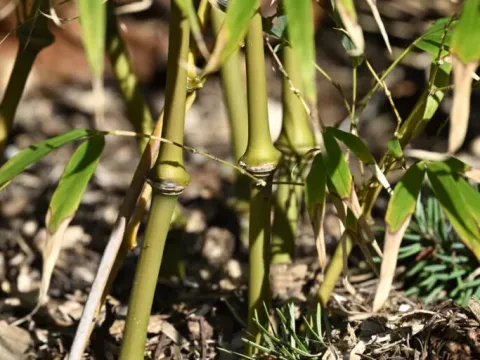
Semiarundinaria is a genus of evergreen bamboo belonging to the Poaceae family. These plants are widely recognized for their upright habit and dense foliage, making them popular in temperate landscaping.
What the section contains


Semiarundinaria
Originating from East Asia, particularly Japan, these bamboos are adapted to moderate climates. They thrive in environments where they receive ample rainfall and avoid extreme heat or frost.
The plant prefers fertile, well-drained soil with a slightly acidic to neutral pH. Proper soil preparation before planting is essential to ensure good aeration and prevent water stagnation at the roots.
Climate requirements include protection from cold, drying winds that can cause leaf desiccation. While they tolerate some shade, partial sun exposure typically encourages more robust growth and density.
Cultural management should focus on consistent moisture levels. In dry periods, regular irrigation is critical to maintain the plant's health and visual appeal throughout the growing season.
Semiarundinaria is extensively used in landscape architecture to create natural screens, privacy hedges, and windbreaks. Its vertical growth pattern is ideal for small gardens.
The canes, known as culms, are valued for their strength and durability. They are often harvested for use in handicraft, small-scale construction, and the production of garden accessories.
One critical aspect of cultivation is the control of rhizome spread. Because it is a running bamboo, installing root barriers is a standard agricultural practice to keep the plants within a designated area.
In terms of productivity, proper nutrition—especially nitrogen application during spring—significantly enhances the height and thickness of new culms produced annually.
The plant is highly responsive to pruning. Regular thinning of old or damaged culms promotes the growth of new, healthy shoots, which improves the overall quality of the bamboo stand.
Common pests include mites and scale insects, which can weaken the plant by feeding on its sap. Early detection and treatment with appropriate pesticides are essential for maintaining plant vigor.
Fungal diseases like rust or leaf spot may occur if air circulation is poor or if the site remains excessively damp. Ensuring good spacing and light penetration is key to prevention.
Root rot is a major threat in soils with poor drainage. Once established, this condition is difficult to treat, making preventative soil management and site selection vital.
Extreme winter temperatures can cause damage to foliage. While many species are somewhat cold-hardy, mulching the root zone provides necessary insulation during harsh weather conditions.
Maintaining a clean garden environment by removing fallen debris helps minimize the habitat for potential pests and pathogens that could target the bamboo stands.