
Setaria anceps
Setaria anceps
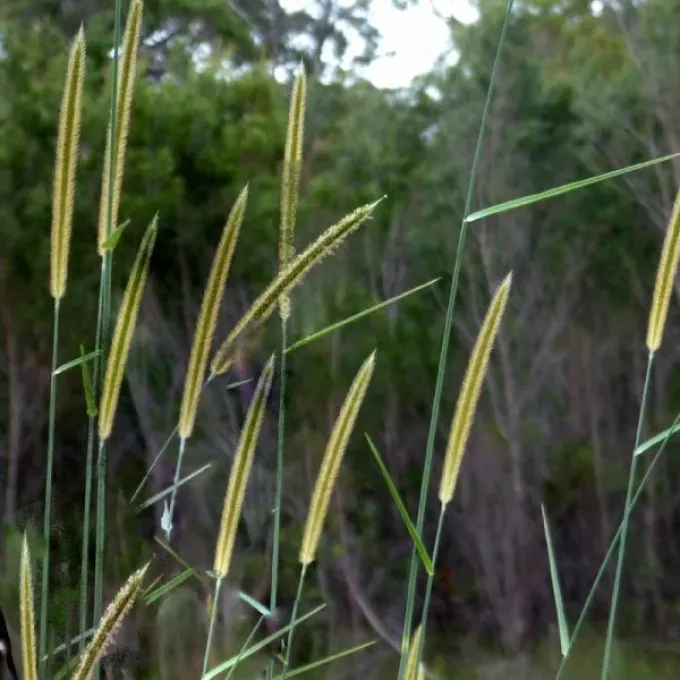
Description
Sowing dates
The optimal sowing time for Setaria anceps depends on soil temperature, as it requires warm conditions to germinate effectively. Sowing usually takes place in late spring once the soil temperature is consistently above 18 degrees Celsius.
Seeding is typically carried out using row sowing methods to ensure that each plant has sufficient space for optimal development. This spacing also facilitates mechanical weed control during the early stages of growth.
The planting depth should be shallow, generally between 1.5 and 3 centimeters. Proper soil-to-seed contact is essential for uniform germination, so fields should be rolled immediately after sowing to improve moisture absorption.
The seeding rate is usually between 8 and 12 kilograms per hectare, depending on the desired plant density and the quality of the seedbed. High-quality seeds with good vigor can reduce the need for higher seeding rates.
Since the initial growth of Setaria anceps seedlings is relatively slow, preparing a clean, weed-free seedbed is a critical step. Eliminating perennial weeds before sowing ensures that the young plants can establish themselves without intense competition.
Growing requirements
Setaria anceps is a warm-season grass belonging to the Poaceae family, known for its high demand for sunlight and heat. It performs best in regions with long, hot growing seasons, where it can reach its full biomass potential.
The crop is well-adapted to a range of soil types, including sandy loams and loamy soils with good drainage. It does not tolerate waterlogged conditions, so selecting well-drained fields is necessary for sustained health and growth.
This grass is recognized for its relative drought tolerance compared to other forage grasses. This makes it a valuable candidate for regions where rainfall can be sporadic during the primary growth months of the summer.
Nutrient management is key to achieving high yields, particularly regarding nitrogen application. Regular fertilization promotes rapid regrowth after grazing or cutting, which is vital for maximizing the total biomass produced per season.
Light availability is crucial for photosynthesis, as the plant is highly sensitive to shading. Keeping the field clear of invasive weeds during the establishment phase is essential for the crop to develop a dense and productive stand.
Yield
The biomass yield of Setaria anceps is highly dependent on favorable growing conditions, including adequate moisture and nutrient supply. Under intensive management, it is capable of providing multiple cuttings within a single growing season.
When grown under irrigation, the crop shows a significant increase in vegetative biomass compared to dryland cultivation. Its ability to regrow rapidly makes it a reliable source of green fodder for livestock producers.
Seed production yield is determined by weather conditions during the flowering phase and the efficiency of pollination. Proper management of seed-producing areas is required to ensure consistent and high-quality harvests.
The timing of harvest impacts not only current biomass production but also the health of the plant for future regrowth. Harvesting too early or too late can negatively affect the nutritional profile and the plant's long-term endurance.
Productivity typically remains stable for several years; however, maintaining good soil fertility and managing the intensity of defoliation are necessary to prevent yield decline in older stands of the grass.
Main diseases and pests
Setaria anceps is generally robust, but it can be susceptible to fungal diseases such as leaf rust, especially in humid conditions with poor air circulation. Proper spacing helps minimize the incidence of these infections.
Soil-dwelling pests, such as wireworms, can damage young seedlings and reduce plant population density in the early stages of growth. Monitoring these pests is an important part of field management in newly sown areas.
Insects like aphids and various grass-feeding beetles may attack the plants during active growth periods. Identifying infestations early allows for the implementation of targeted protective measures to minimize economic damage.
Weed competition remains the most significant threat during the first few weeks after sowing. Effective weed control, whether through mechanical cultivation or selective herbicides, is essential to allow the crop to gain a competitive advantage.
Post-harvest threats include mold development during storage if the crop is not dried properly. Maintaining low moisture levels in hay or harvested seeds is vital to prevent deterioration and ensure feed quality for livestock.
Harvesting
Harvesting for green fodder should ideally occur during the early heading to flowering stage. This period ensures the best balance between high biomass volume and the nutritional quality of the forage provided to animals.
Haymaking is often timed slightly later in the developmental stage to ensure higher dry matter content, which simplifies the drying process. Careful handling is required to preserve the leaf-to-stem ratio, which keeps the nutritional value high.
Seed harvesting should be performed once the majority of the spikes have reached maturity and turned color. Because the seeds can shatter easily, timing this harvest correctly is critical to prevent significant field losses.
A two-stage harvesting process, involving cutting and windrowing followed by pickup, is often the most effective method. This approach promotes even drying and minimizes seed loss compared to direct combining.
Post-harvest processing involves thorough cleaning of the seed material to remove chaff and impurities. Proper storage in well-ventilated, dry conditions is essential to maintain high viability of the seeds for future planting seasons.