
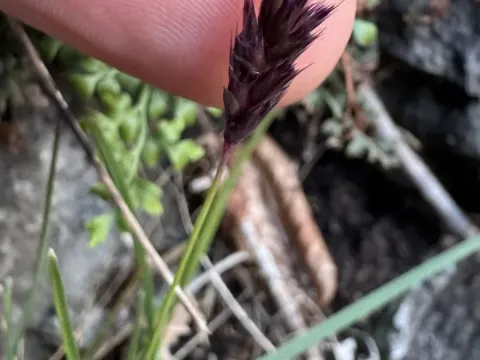
Sesleria
Sesleria Scop.
Sowing Sesleria seeds in open ground is typically planned for spring once the soil has warmed up, or in late autumn for natural winter stratification.
What the section contains

Sesleria
When using the seedling method, seeds should be sown in late winter or early spring using containers filled with a light and nutritious substrate.
Sesleria seeds have high germination energy but require surface sowing, as exposure to light is essential for their activation and emergence.
The optimal temperature for seed germination ranges between 18 and 22 degrees Celsius, resulting in uniform seedling development within a few weeks.
Transplanting seedlings to their final location should be done after the risk of frost has passed, maintaining a spacing of 30-40 centimeters between plants.
Sesleria belongs to the Poaceae (grass) family and is known for forming dense, compact, and tidy tussocks, making it a favorite for landscaping.
This crop is highly adaptable to various soil types, thriving equally well in alkaline, calcareous, or rocky substrates with good mineral content.
As a light-loving plant, it requires full sun exposure to maintain its healthy structure and prevent the tussocks from losing their characteristic shape.
Sesleria exhibits significant drought and cold tolerance, allowing it to perform consistently across various temperate and continental climate zones.
A crucial factor for successful cultivation is ensuring proper soil drainage, as stagnant water can damage the root system and inhibit growth.
Sesleria possesses an excellent natural defense system, meaning it is rarely affected by pests or serious diseases under proper cultural conditions.
The primary threat to the plant is excessive soil moisture, which may lead to root rot if the growing site does not have adequate drainage.
To prevent potential fungal issues, it is important to ensure good air circulation around the plants and avoid overcrowding during planting.
In cases of extreme or prolonged humidity, occasional leaf spots may occur, which can be managed with standard broad-spectrum fungicides.
Pests like aphids or spider mites are rarely observed on Sesleria and typically do not cause economic damage to the plant population.
Seed harvesting is carried out in late summer or early autumn, once the spike-like panicles turn a light straw color and become dry.
The stems are harvested and kept in a dry, well-ventilated area for post-harvest ripening before the seeds are threshed and separated.
Cleaned seeds should be stored in paper bags in a cool, dry place to maintain viability for several subsequent growing seasons.
For maintaining the aesthetic appeal of the grass, old flower stalks should be trimmed in early spring before the new growth cycle begins.
Maintenance after harvesting includes clearing away dead leaves to promote healthy regeneration and the growth of fresh green foliage.