
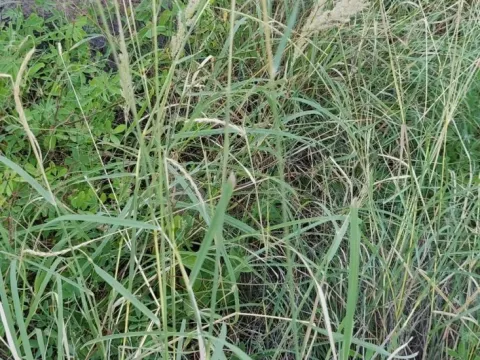
Sehima
Sehima
Sehima (genus Sehima) is a genus of perennial grasses belonging to the family Poaceae. One of the most prominent species, Sehima nervosum, is a significant component of tropical and subtropical grasslands, especially in Asia and Africa.
What the section contains

Sehima
Originating from warm, tropical climates, Sehima is highly adapted to savannas and dry-land regions. It thrives in environments characterized by distinct wet and dry seasons, demonstrating exceptional drought tolerance.
The plant requires well-drained soils, showing a preference for rocky, sandy, or gravelly substrates. It is known for its ability to colonize degraded soils, making it an excellent candidate for land restoration projects and soil conservation efforts.
In terms of climate, Sehima requires high levels of solar radiation and warm temperatures for active growth. It is highly sensitive to frost and does not survive in cold climates, which dictates its specific geographical distribution.
Agronomic management is generally low-input. However, maintaining soil fertility through light fertilization can boost biomass production. Proper land preparation is essential only during the initial sowing phase to ensure good seed-to-soil contact.
Sehima is primarily utilized as a high-quality forage crop for cattle and sheep grazing. It is highly palatable in its vegetative stage and provides an essential source of protein for livestock during the growing season.
The biomass yield is highly dependent on rainfall distribution. In optimal conditions, it provides a dense, productive pasture that can support a high stocking rate compared to native scrub vegetation.
As a hay crop, Sehima is valued for its ability to retain nutrients after being dried. Its stiff stems and high fiber content allow it to remain palatable if harvested before the plant becomes overly lignified and fibrous.
Beyond its feed value, the grass provides significant environmental benefits. Its deep and sturdy root system acts as an anchor for the soil, significantly reducing erosion on slopes and improving water infiltration.
The species exhibits strong regenerative capabilities. Under managed grazing, the grass recovers quickly from defoliation, allowing for continuous seasonal use without the need for frequent reseeding or tillage.
Locusts and grasshoppers represent the primary pest threats to Sehima pastures. In outbreak years, these insects can cause severe defoliation, leading to a significant loss of forage quality and quantity.
Fungal diseases, including various rust species, can impact the plants during periods of high humidity. While usually not fatal, these infections reduce the photosynthetic efficiency and overall feed value of the grass.
Overgrazing is the most serious threat to Sehima population stability. If grazed too heavily during the growing season, the plants lose their ability to store carbohydrates in the roots, eventually leading to local extinction.
Invasive weeds and competitive woody shrubs can crowd out young Sehima stands. Controlling these competitors during the establishment phase is vital for the long-term success of the pasture.
Integrated pest management strategies are recommended, focusing on maintaining healthy stocking rates and periodic resting of the pastures to allow for seed dispersal and root system strengthening.