
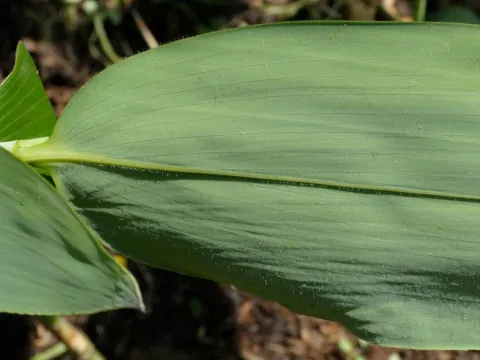
Sasa senanensis
Sasa senanensis
Sasa senanensis is a perennial plant belonging to the Poaceae family, specifically the Bambusoideae subfamily. It is a low-growing bamboo species characterized by broad leaves and a robust rhizomatous root system that allows it to form dense, extensive colonies.
What the section contains
Sasa senanensis
The native range of this species is centered in East Asia, particularly Japan and the Kuril Islands. It is highly adapted to temperate climates, showing significant cold tolerance compared to other bamboo species, which makes it a viable candidate for cultivation in cooler regions.
Successful cultivation requires moderately moist, fertile, and well-drained soils. The plant thrives in partial shade conditions but can tolerate full sun provided that soil moisture is consistently maintained during the peak growing season to prevent leaf scorching.
The agronomic management of this species must include strict control measures for its rhizomes. Due to its invasive nature, the installation of vertical root barriers made of high-density polyethylene is highly recommended to manage its spread within defined boundaries.
Economically, Sasa senanensis is primarily valued in landscaping for ground cover purposes. It also serves as a source of biomass, and research is ongoing regarding its potential applications in sustainable mulch production and as a supplementary forage crop in specific agricultural contexts.
In terms of plant health, Sasa senanensis is generally resilient, but it can be susceptible to fungal rot if grown in waterlogged or poorly drained soil, which compromises the integrity of its rhizome system.
Common pests include aphids and mites, which primarily infest new, tender shoots and leaves. These pests can reduce the vigor of the plant and mar its aesthetic appeal, requiring periodic inspections during the early stages of the growing season.
Preventative maintenance involves ensuring proper air circulation within the bamboo stands and conducting regular sanitation by pruning dead culms or damaged foliage, which helps prevent the buildup of fungal spores.
Integrated pest management strategies are encouraged to maintain the health of the cultivation area. Chemical interventions should be limited to prevent disruption to the soil ecosystem and to ensure the sustainability of the agricultural operation.
Effective management also requires careful monitoring of the perimeter of the planting site to ensure the bamboo does not encroach upon adjacent agricultural lands, adhering to sustainable land-use practices for invasive-prone species.