
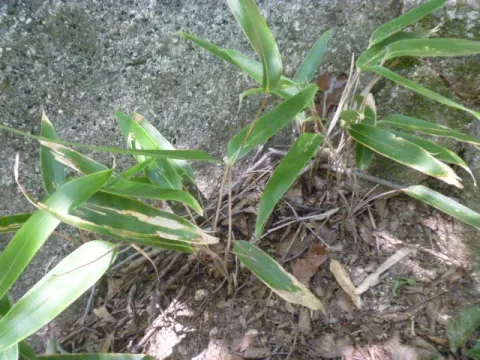
Sasa borealis
Sasa borealis
Sasa borealis is a perennial plant belonging to the Poaceae family, commonly categorized as a dwarf bamboo. Native to East Asia, it is recognized for its creeping rhizomes and ability to form dense, ground-covering mats in favorable environments.
What the section contains
Sasa borealis
The culture thrives in fertile, well-draining soils with a slightly acidic to neutral pH. It requires a stable moisture supply to maintain its lush foliage, although it is relatively tolerant of various soil types provided they do not become waterlogged.
Climate requirements for this species include temperate conditions with protection from harsh, desiccating winds. While it shows good cold resistance, deep mulching is recommended in regions with prolonged freezing temperatures to insulate the rhizomes from damage.
Regarding agricultural management, Sasa borealis requires strategic spacing and potential root barriers. Because the plant spreads aggressively, managing its perimeter is essential to prevent it from invading non-intended areas of the cultivation plot.
Nutrient management involves applying nitrogen-rich fertilizers during the spring growth flush to encourage vigorous leaf production. Consistent irrigation is vital during the growing season, especially in regions prone to dry summers, to ensure plant health.
Sasa borealis is generally robust, but it can be susceptible to fungal diseases such as leaf rust when grown in areas with poor air circulation. Proper spacing between individual plants is necessary to minimize the risk of pathogen transmission.
Pests like aphids and spider mites can attack the leaves, particularly during periods of low humidity. Integrated pest management strategies, including the use of neem oil or targeted biological controls, are effective for maintaining plant quality.
Root rot is a significant threat if the soil remains excessively wet. Ensuring proper drainage and avoiding compaction in the root zone are crucial steps to prevent anaerobic conditions that encourage pathogenic fungi and bacteria.
Rodents may also pose a risk by gnawing on rhizomes during the dormant season. Implementing exclusion methods, such as wire fencing or protective collars for smaller plantings, can significantly reduce the potential for vertebrate pest damage.
Sanitation practices play a key role in disease prevention. Removing and disposing of infected or dead plant material at the end of the season reduces the inoculum reservoir for the following year, promoting overall crop vitality.