
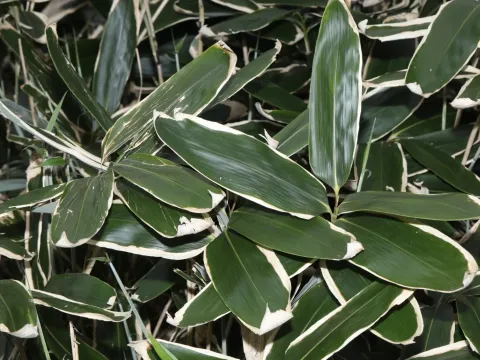
Sasa
Sasa Makino & Shibata
Sasa is a genus of perennial plants in the Poaceae family, widely known as a type of dwarf bamboo. These plants are characterized by their rapid rhizome growth, allowing them to form expansive and dense evergreen mats.
What the section contains

Sasa
Originating from East Asia, Sasa species are native to diverse forest ecosystems in Japan and surrounding regions. They are typically found in the understory, adapted to survive in areas with fluctuating light conditions and high humidity.
Agricultural success with Sasa depends on providing well-draining, nutrient-rich soil. While the plant can grow in various conditions, it performs best in loamy substrates with a balanced moisture level to support its intensive biomass production.
Regarding climate requirements, Sasa is known for its hardiness compared to larger bamboo species, yet it thrives in temperate zones. Protecting the root zone from extreme deep freezing is essential for maintaining the vigor of the colony.
Standard agronomic practices include seasonal fertilization and consistent irrigation during the establishment phase. Because Sasa is a prolific grower, site management often involves installing root barriers to prevent unwanted spread in agricultural or landscaping plots.
Sasa plants can be susceptible to common fungal diseases if grown in overcrowded or stagnant conditions. Good air circulation and proper spacing are critical strategies for mitigating the risk of powdery mildew and leaf blight.
Pests such as mites and scale insects are known to infest Sasa, especially when environmental conditions favor their rapid reproduction. Integrated pest management using organic or systemic insecticides is recommended for large-scale control.
Root rot is a physiological threat caused by poor soil aeration. To prevent this, growers must avoid overwatering and ensure that the planting site has excellent drainage, especially in heavy soil conditions.
Nutrient deficiency, particularly nitrogen or iron, can lead to reduced vitality and aesthetic decline. Foliar analysis and appropriate fertilization schedules help maintain the health and structural integrity of the bamboo stands.
In winter, the threat of desiccation due to cold winds can damage foliage. Providing shelter or windbreaks is an effective method to protect the bamboo and ensure rapid recovery when the spring growing season begins.