
Sasa
Sasa
Sasa is a genus of perennial evergreen plants belonging to the bamboo subfamily within the grass family Poaceae. Native to East Asia, these plants are primarily found in Japan and neighboring regions, where they act as essential components of temperate forest understories, creating dense and resilient ground cover.
What the section contains
Sasa
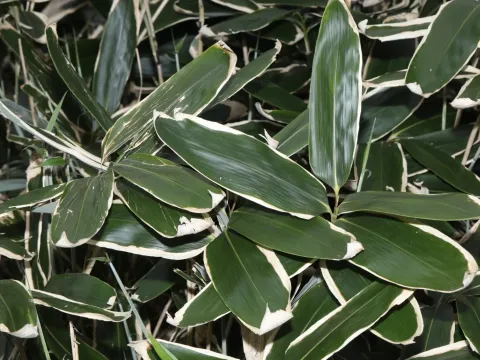
Botanically, Sasa is distinguished by its creeping rhizomes and relatively low stature compared to giant bamboos. The leaves are typically lanceolate and wide, often featuring decorative variegation. These plants are known for their ability to spread rapidly, making them excellent candidates for soil erosion control.
The crop requires fertile, well-draining soil to thrive. While they can adapt to various soil types, they prefer a pH range of slightly acidic to neutral. Providing a high-quality drainage system is essential, as stagnant water is detrimental to the rhizome structure, leading to root rot and poor development.
In terms of climate, Sasa is favored for its cold-hardiness compared to many other bamboo species. They perform best in sheltered locations that are protected from harsh, drying winds. While they tolerate shade well, a balance of light and shadow helps maintain leaf color and prevents heat stress during the summer.
Economically and decoratively, Sasa serves multiple purposes. Beyond its use in landscape design and erosion management, certain species provide young, edible shoots suitable for culinary use after preparation. Additionally, the sturdy, albeit short, canes are sometimes used in small-scale craft production.
Sasa plants are generally robust, but they can be susceptible to spider mite infestations in dry, stagnant air conditions. Maintaining adequate ambient humidity and providing good air circulation around the foliage are primary preventative measures that reduce the need for chemical intervention.
Fungal diseases, such as leaf spot and powdery mildew, may occur if the planting density becomes too high. Regular thinning of the stems improves airflow, which is critical for maintaining healthy leaves and preventing the rapid spread of spores during wet and humid periods of the growing season.
Root system health is paramount, and waterlogging is the most common cause of decline in Sasa plantations. Ensuring the soil does not become compacted and monitoring moisture levels prevents the development of pathogens that target the root network, ensuring long-term plant vigor.
Winter injury can manifest as browning of leaf margins in extreme conditions. While the plant usually recovers as new growth emerges in the spring, performing sanitary pruning of damaged sections helps focus the plant's energy on healthy development and maintains the aesthetic appeal of the garden.
The aggressive growth habit of Sasa requires strict containment measures. Gardeners must install deep physical barriers around the planting zone to prevent unwanted spreading. Without these controls, the plant can rapidly dominate adjacent areas, causing competition with other cultivated species and disrupting site management plans.