
Smooth paspalum
Paspalum laeve
Smooth paspalum (Paspalum laeve) is a perennial grass species belonging to the Poaceae family. Known for its adaptability, this grass serves as a significant component in native pastures and meadow ecosystems, providing a reliable source of forage in diverse temperate environments.
What the section contains
Smooth paspalum
The plant is native to North America, where it thrives in habitats ranging from moist meadows and stream banks to open, well-drained fields. Its natural distribution reflects its capacity to tolerate varying levels of soil moisture, making it a resilient option for land management.
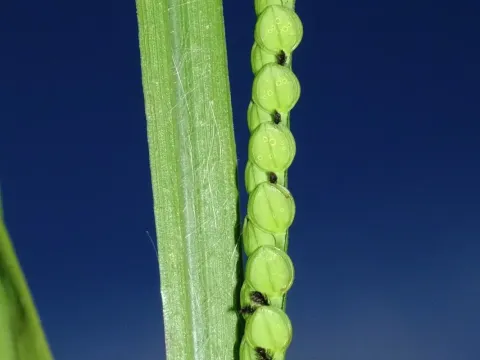
Botanically, it is characterized by the development of dense sods and erect stems that provide substantial biomass. The leaf blades are smooth to the touch, distinguishing it from other species in the genus, while the inflorescences consist of characteristic racemes that produce viable seeds for propagation.
Regarding soil requirements, smooth paspalum prefers moist, fertile soils with a slightly acidic to neutral pH. While it is quite adaptable, its productivity peaks in areas where soil organic matter is sufficient to sustain its vigorous growth cycle throughout the active vegetative season.
The primary agricultural utility of this species lies in its use for grazing livestock and hay production. It is highly valued for its ability to recover effectively after grazing pressure, ensuring a consistent supply of nutritious green forage during the summer months when many other cool-season grasses enter dormancy.
Common threats to smooth paspalum include various fungal pathogens such as rusts and leaf spot diseases, which typically emerge under conditions of high humidity or prolonged damp weather. These diseases can impair the quality of the foliage, reducing its overall palatability and nutritional value for grazing animals.
Insect pests, including leafhoppers and various soil-dwelling larvae, pose potential risks to the plant's root system and vegetative parts. Effective management requires regular field inspections, especially during peak temperature periods when pest activity is generally higher across established pastures.
Maintaining a healthy stand is the most effective form of defense against both diseases and weed encroachment. Proper management of grazing cycles and timely mowing schedules prevent the over-accumulation of dead plant material, which otherwise serves as a host for various fungal spores and detrimental insects.
Integrated pest management strategies often focus on nutrient balancing through soil testing and fertilization to encourage robust growth. Healthy, fast-growing plants are naturally more resistant to the stressors imposed by pathogens and are better able to outcompete common invasive weeds in the field.
In cases of severe infestation or disease outbreak, rotational grazing and temporary rest periods are recommended to allow the sward to recover. These cultural practices are often sufficient to keep the pasture productive without the need for intensive chemical interventions, supporting sustainable agricultural practices.