
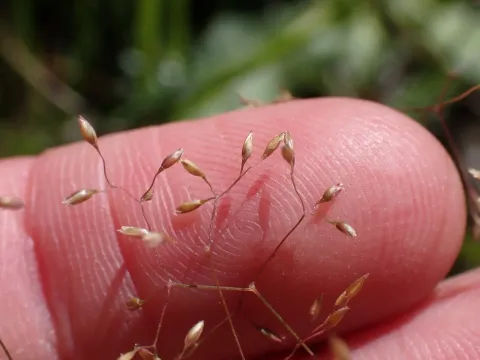
Small-flowered bent
Agrostis parviflora
Small-flowered bent (Agrostis parviflora) is a perennial grass species belonging to the Poaceae family. It is known for its fine-textured foliage and its ability to form dense, resilient turfs that adapt well to various environmental conditions.
What the section contains
Small-flowered bent
Originating from New Zealand, this species has evolved in diverse landscapes, including open fields and mountainous areas. Its natural distribution demonstrates a high level of adaptability to cool-temperate climates, making it a subject of interest for sustainable grassland management.
The crop thrives in moist, well-drained soils and shows a preference for substrates with a slightly acidic to neutral pH level. It is essential to ensure adequate soil aeration to promote root development and maintain the vigor of the grass stand throughout the growing season.
Climatic requirements are focused on moderate temperatures, with the plant exhibiting excellent cold tolerance. While it can withstand periods of limited moisture, its optimal growth is achieved in regions with reliable annual rainfall distribution.
In terms of хозяйственное usage, Agrostis parviflora is often utilized in pasture restoration projects and as a component of seed mixtures for erosion control. Its resilience to grazing pressure makes it a reliable asset for livestock production systems in appropriate regions.
Rust diseases are common threats to this species, particularly during periods of high humidity and poor air circulation. Implementing proper management practices, such as preventing overcrowded stands, is crucial for mitigating these risks.
Powdery mildew may occur when the plants are under stress or grown in poorly ventilated areas. Early detection and the maintenance of optimal stand density are key strategies to minimize the impact of fungal pathogens on overall productivity.
Wireworms represent a significant threat to the root system of established stands, potentially leading to sparse grass cover. Integrated pest management, including crop rotation and field sanitation, is essential for minimizing potential damage to the crops.
Cereal leaf beetles can cause defoliation during the peak growth stages, which can reduce the nutrient value of the forage. Farmers are advised to conduct regular field scouting to determine the necessity of intervention based on infestation levels.
Maintaining balanced soil fertility through appropriate fertilization programs helps the plants recover faster from stress and improves their natural resistance to common pests and pathogens found in the local ecosystem.