
Small-glume fescue
Festuca parvigluma
Description
Growing requirements
Small-glume fescue (Festuca parvigluma) is a perennial grass species belonging to the Poaceae family. Originating from East Asia, this plant is naturally found in temperate regions of China, Japan, and the Korean Peninsula, where it thrives in forest margins and mountain slopes.
The species exhibits a preference for well-drained, loamy soils with moderate moisture availability. While it can survive on poorer soil types, its forage productivity is significantly higher in fertile soils with stable nutrient content and neutral pH levels.
Climate adaptation is a key feature of this fescue. It shows remarkable winter hardiness and is capable of enduring seasonal temperature fluctuations common to continental climates, making it a reliable perennial option for managed pasture lands.
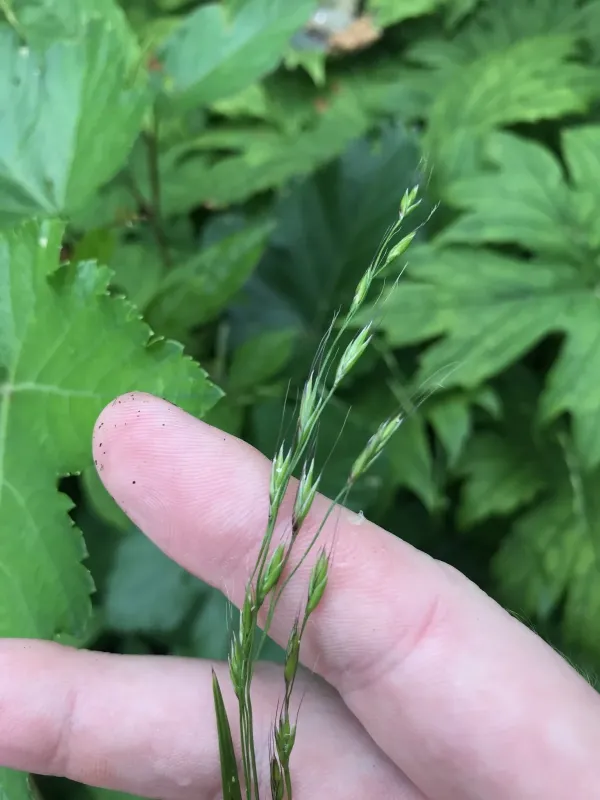
Botanically, it is characterized by its slender growth habit and fine leaf structure. The inflorescence is a delicate, slender panicle. Its specific name, parvigluma, refers to the small size of its glumes, which distinguishes it from other related fescue species.
In agriculture, it is mainly utilized for grazing and hay production. Due to its palatability and nutritional profile, it is often included in grass seed mixtures designed for sustainable livestock production and land reclamation efforts.
Main diseases and pests
The primary threats to Festuca parvigluma include fungal diseases such as powdery mildew and rust, which often manifest in high-humidity conditions. These pathogens can significantly impair the photosynthetic capability of the foliage.
Insect pests such as grass moths and stem-boring insects represent a notable risk. These pests target the crown and stem base, potentially causing large sections of the pasture to die off if left unmanaged during peak infestation periods.
To maintain plant health, farmers are advised to monitor stands for early signs of infection. Crop rotation and strategic mowing intervals serve as effective cultural practices to reduce pest populations and inhibit the spread of fungal spores.
Nutrient management also plays a crucial role in disease resistance. Balanced application of phosphorus and potassium helps the plant develop a robust cell structure, making it less susceptible to biological stressors and increasing its endurance throughout the season.
Integrated Pest Management (IPM) strategies are highly recommended for large-scale operations. By combining biological controls, such as beneficial predatory insects, with selective chemical treatments, producers can minimize crop loss while maintaining the ecological integrity of the forage site.