
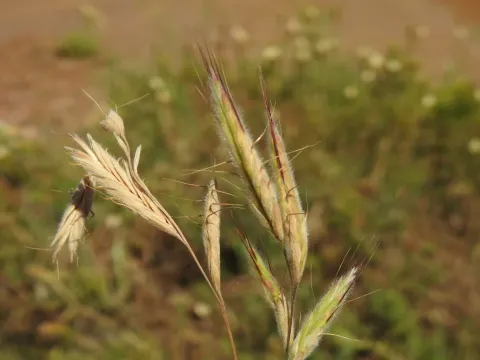
Soft brome
Bromus lanceolatus
Soft brome is an annual grass, and its sowing timeline is largely determined by the local climate. In most regions, it is sown in early spring as soon as soil conditions allow, or in the autumn to provide early biomass for livestock grazing during the cooler months.
What the section contains
Soft brome
The seeding rate is typically maintained between 12 and 16 kilograms per hectare. This density ensures that the crop effectively occupies the space, minimizing the establishment of unwanted weeds while maximizing the potential for forage yield per hectare.
Seed depth is critical for uniform germination, with 2 to 4 centimeters being the recommended range. Placing seeds at the appropriate depth prevents them from drying out in the topsoil while ensuring enough energy for the sprout to reach the surface effectively.
Soil preparation, including rolling, is essential after sowing to improve soil-to-seed contact. This moisture management practice is especially beneficial in drier regions, as it facilitates rapid water absorption by the seeds for consistent emergence.
When used in pasture mixes, soft brome is often combined with other grasses or legumes. This diversification ensures a stable supply of forage throughout the growing season and improves the overall nutritional profile of the grazing area.
Soft brome prefers fertile soils but shows remarkable adaptability to various soil types, ranging from sandy loams to heavier clay-based soils, provided they have adequate drainage. It thrives in neutral pH environments but can tolerate some level of variation.
Exposure to full sunlight is vital for the development of soft brome. As a light-loving plant, it requires open areas where it can grow without competition for light from taller trees or dense brush, which would otherwise stunt its reproductive phase.
The plant is known for its moderate drought tolerance, making it an excellent choice for regions with limited rainfall. Its root system is capable of extracting water from deeper soil horizons, providing a buffer against temporary moisture deficits.
Temperature resilience is a key feature of this grass, allowing it to withstand the variable temperatures often found in spring and autumn. This makes it a reliable choice for farmers who need a crop that starts growing early in the season.
Avoid planting in areas prone to seasonal flooding or waterlogging. While soft brome is hardy, stagnant water can lead to root rot and other physiological stressors that significantly reduce the plant's biomass and quality for hay production.
The yield potential of soft brome is significant under optimal conditions, often reaching 15 to 20 tons of fresh biomass per hectare in a single cut. High fertility levels and sufficient moisture are the primary drivers of these high output numbers.
Nutritional value is a hallmark of this species, especially if harvested at the correct maturity stage. Its high protein content and digestibility make it an excellent source of feed for cattle and sheep, contributing to better livestock weight gain.
Nitrogen fertilization during the tillering phase can significantly boost growth rates and overall yield. However, excessive fertilization should be avoided to prevent lodging, which makes the crop difficult to harvest and reduces the quality of the final product.
The yield stability across different years often depends on the management of the grazing intensity or cutting schedule. Rotating fields prevents the depletion of soil nutrients and ensures that the grass has enough time to recover between production cycles.
For seed production, yields range from 3 to 6 centners per hectare. Success in harvesting for seeds relies on careful timing to balance the maximum seed weight against the risk of natural shattering, which can occur as the seeds reach full maturity.
Common fungal diseases, such as rust and powdery mildew, represent the biggest threat to soft brome productivity. These diseases are exacerbated by high humidity levels and lack of air circulation within the canopy, necessitating proper field management.
Pests like cereal flies, aphids, and various beetles can damage the crop, particularly in the seedling stage. Regular monitoring allows for early detection, which is critical for implementing integrated pest management strategies without over-relying on pesticides.
Weed competition can be a major issue, especially in newly sown fields where the grass has not yet established a dense cover. Preventive measures, such as deep tillage before sowing or using selective herbicides, are standard practices to keep fields clean.
Poor soil structure caused by heavy machinery can lead to stunted growth and reduced immunity, making the crop more susceptible to environmental stress and disease. Minimizing traffic on wet fields is essential for long-term soil health.
Crop rotation is the most effective defense against soil-borne pathogens. By switching fields between different plant families every few years, farmers can significantly reduce the pressure of pests and diseases that are specific to annual grasses.
Harvesting for forage or hay should ideally occur at the beginning of the heading phase. At this time, the plant offers the best balance between bulk yield, protein concentration, and sugar content, ensuring the highest feed quality for livestock.
The use of mower-conditioners is highly recommended for harvesting. This machinery bruises the grass stalks, allowing for faster moisture loss during the wilting phase, which is crucial for preserving the quality of the hay and preventing fermentation.
When harvesting for seeds, the timing must be precise. The crop should be harvested as soon as it reaches the waxy maturity stage, before the seeds begin to disperse naturally. Early harvesting prevents the loss of valuable seed stocks in the field.
Post-harvest storage requires well-ventilated buildings to keep moisture levels low. Ensuring that the harvested crop is kept dry and away from pests is essential for maintaining its nutritional value and germination capacity over time.
Seed cleaning processes should be performed to remove chaff and other organic debris. A clean, high-quality sample not only fetches a better price but also ensures that future sowings are free from impurities and potential sources of crop diseases.