
Small rice
Oryza minuta
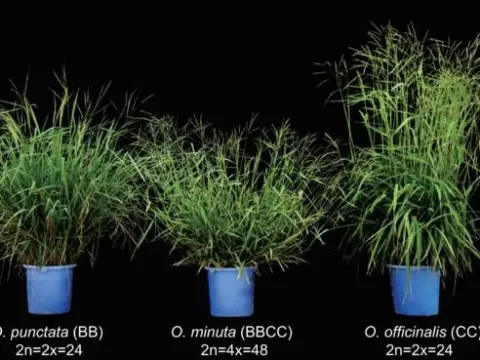
Oryza minuta, commonly known as small rice, is a perennial grass species belonging to the Poaceae family. It is a wild relative of the commercial rice plant, widely recognized in botany for its distinct adaptive mechanisms in tropical environments.
What the section contains
Small rice
The plant is native to Southeast Asia, particularly the Philippines, Papua New Guinea, and parts of Indonesia. It thrives in humid tropical forest floors, riverbanks, and wetland areas, which provide the consistent moisture levels necessary for its biological cycle.
The species requires high temperatures and humidity for optimal growth, typically staying within the tropical climatic range. Unlike domestic rice, it has evolved to tolerate shade and waterlogged soils, which are characteristic of its specific ecological niche.
Botanically, Oryza minuta is recognized by its small spikelets and high tillering capacity. It possesses unique genetic traits, including polyploidy, which allow it to survive in environments that would be challenging for more delicate annual grass species.
Its primary agricultural importance lies in its role in germplasm conservation and crop improvement. Plant breeders utilize the robust genes of Oryza minuta to develop modern rice varieties that can endure biotic and abiotic stresses.
Small rice is susceptible to common tropical diseases such as rice blast and sheath blight. These fungal infections are highly aggressive in the high-humidity habitats where Oryza minuta is naturally found, potentially hindering its development.
In terms of pests, the plant is often targeted by stem borers and planthoppers, which are typical threats to wild rice species. These insects can cause physical damage to the stalks and impede the reproductive processes of the plant.
Environmental degradation and the loss of wetland habitats pose a significant threat to its survival in the wild. As natural forests are converted into agricultural or urban land, the populations of this wild species continue to face fragmentation.
Conservation strategies focus on preserving the plant in its natural habitat and through seed banks to maintain genetic diversity. Protecting these areas is essential to ensure that the genetic resources contained within Oryza minuta are not lost.
Integrated pest management in research nurseries involves careful monitoring to prevent the spread of diseases from wild populations to cultivated ones. Research into its innate resistance remains a priority for scientists aiming to strengthen global food security.