
Sorghastrum minarum
Sorghastrum minarum
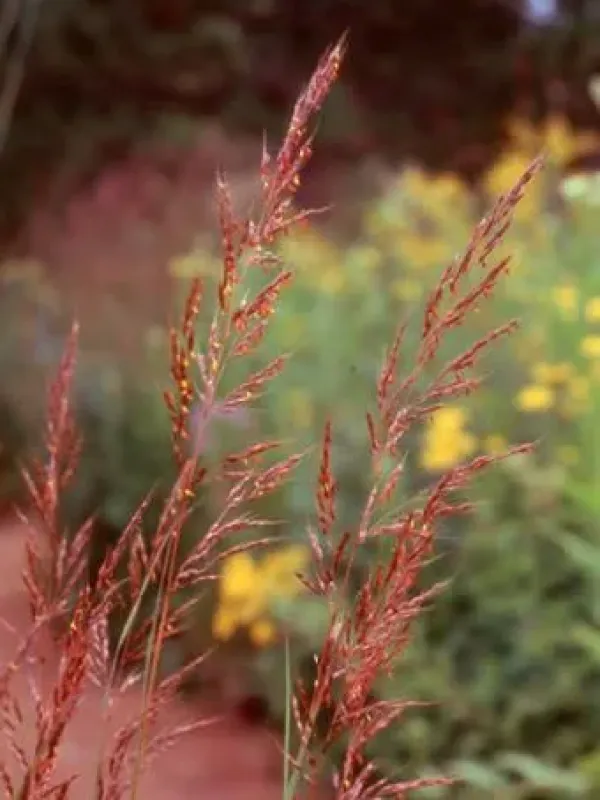
Description
Sowing dates
Sowing of Sorghastrum minarum should be carried out in the spring when soil temperatures reach 12–15 degrees Celsius. Ensuring proper soil-to-seed contact is essential for successful germination.
The recommended planting depth is 1.5–2 centimeters. Planting too deep can hinder the emergence of seedlings, while planting too shallow can result in seed desiccation.
Using a grain drill equipped with press wheels helps to firm the soil around the seeds, ensuring consistent moisture availability for the developing embryos.
During the first year, the plant focuses on establishing its root system, resulting in relatively slow above-ground growth. Weed control is crucial during this phase.
Fall sowing is only advisable in regions with mild winters, as young plants may be vulnerable to frost heave before they have fully established their root structures.
Growing requirements
Sorghastrum minarum belongs to the Poaceae family and thrives in well-drained, fertile soils with a pH ranging from neutral to slightly acidic.
This species is highly light-demanding and performs poorly in shaded areas. Selecting sites with full sun exposure is a fundamental requirement for biomass production.
The optimal temperature range for active growth is between 20 and 28 degrees Celsius. While it has moderate drought tolerance, adequate moisture is necessary for maximum yields.
The nutritional requirements include sufficient nitrogen for early vegetative growth, alongside phosphorus and potassium to promote strong root development and winter survival.
The plant is well-adapted to subtropical and warm temperate climates, where long growing seasons allow it to achieve its full potential.
Yield
Yield potential is highly dependent on management practices. Under favorable conditions, the crop can provide two full harvests of green biomass per growing season.
Dry matter yields typically range between 6 and 9 tons per hectare. Variations in yield are often observed based on the age of the stand and soil fertility levels.
The peak productive capacity of the stand is usually achieved in the second and third years following initial establishment.
Applying nitrogen fertilizer immediately after the first cut is a recommended practice to stimulate regrowth and boost the biomass of the second harvest.
Maintaining a balanced harvesting schedule ensures the longevity of the stand, preventing the depletion of stored energy in the plant's rhizomes.
Harvesting
For high-quality hay, harvesting should occur during the boot stage to early flowering. This timing captures the ideal balance of nutritional value and dry matter volume.
Mowing should be performed at a height of 8–10 centimeters above the soil surface to allow for proper regrowth from the basal nodes.
The use of mower-conditioners is recommended to crimp the stems, which facilitates faster moisture loss and reduces the time required for field curing.
When harvesting for silage, moisture levels should be managed carefully to ensure proper fermentation, typically targeting a range of 65–70 percent moisture.
Seed harvesting should be performed once the inflorescences show signs of browning and the seeds have reached physiological maturity.