
Sorghastrum bipennatum
Sorghastrum bipennatum
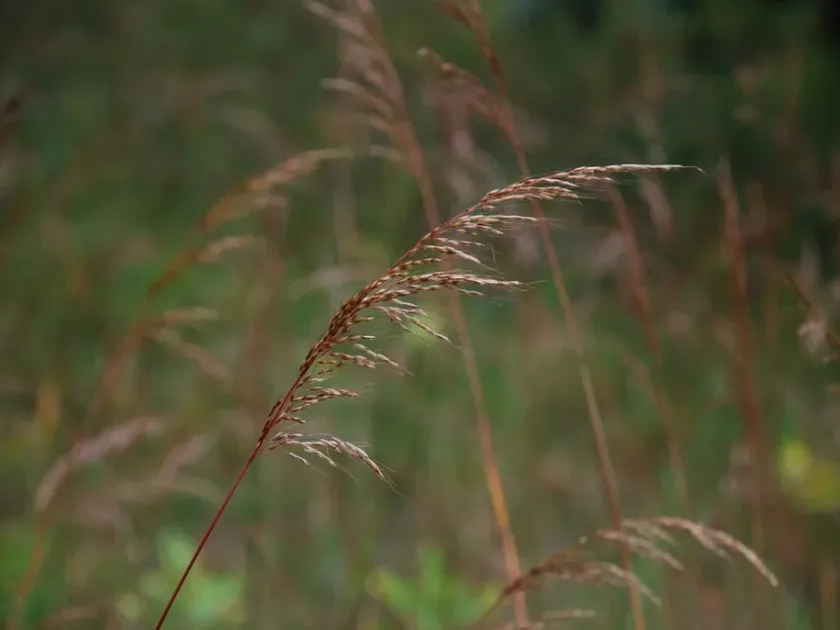
Description
Sowing dates
Sorghastrum bipennatum, a member of the Poaceae family, is a perennial grass species that requires specific sowing techniques for successful establishment. Planting should occur in the spring once soil temperatures reach a stable 12–15 degrees Celsius to promote uniform germination.
The seeds should be sown at a shallow depth of approximately 1–2 centimeters, ensuring they are placed in firm contact with moist soil. A well-prepared, fine seedbed is essential to protect the small seeds from being buried too deep or blown away by wind.
Maintaining an appropriate sowing density is crucial for suppressing weeds during the first year of growth. A standard seeding rate of 10–12 kilograms per hectare is typically recommended to establish a robust and uniform stand that will persist for several years.
Incorporating starter fertilizers during the seeding process significantly boosts initial root development. This is a critical investment for this perennial crop, as a well-established root system ensures resilience and high biomass production in subsequent years.
Early-stage management requires diligence, as the crop is initially slow to develop. Eliminating weed competition through mechanical or chemical means early on will allow the seedlings to establish a competitive advantage and dominate the stand.
Growing requirements
This grass species demonstrates broad adaptability but thrives best in fertile, well-drained loamy soils. It prefers neutral to slightly acidic pH levels and performs poorly in waterlogged environments, which can lead to root decay and decreased productivity.
Water requirements are moderate, though the plant shows remarkable resilience during short-term drought. During the active tillering phase, sufficient soil moisture is vital to ensure maximum biomass accumulation and prevent premature dormancy.
Abundant light is essential for optimal growth and nutritional quality. Sorghastrum bipennatum is a light-demanding species, and yield potential will significantly diminish if the plants are shaded by other tall-growing species or dense canopy structures.
The species exhibits strong cold tolerance, capable of overwintering in various temperate climates. A protective snow cover during extreme cold periods is beneficial, although the plant has evolved to survive significant freezing temperatures without permanent damage.
Strategic fertilization, particularly with nitrogen following harvests, is essential to sustain high yields. Adequate phosphorus and potassium levels in the soil are also necessary to maintain plant vigor and the longevity of the grass stand over multiple seasons.
Yield
Sorghastrum bipennatum is highly valued for its contribution to hay and pasture systems. It provides a reliable source of quality forage, characterized by a favorable balance of proteins and carbohydrates, which are vital for livestock health.
Under optimal management, dry matter yields can range between 60 and 80 decitonnes per hectare per season. The plant's ability to regrow quickly after cutting allows for multiple harvests, provided that adequate soil moisture and nutrients are available.
The forage is highly palatable to livestock, especially during the early vegetative stages before flowering. Implementing a rotational grazing system helps maximize efficiency, allowing for both sustained forage availability and proper plant recovery.
Properly harvested and stored, the hay is an excellent feed supplement during the winter months. Its nutritional profile supports steady growth and milk production in cattle, making it a valuable asset for mixed-farming operations.
Long-term field productivity can be maintained for up to 7 years with consistent agronomical care. By managing harvest frequency and soil fertility, farmers can extract maximum economic value from established fields without needing frequent reseeding.
Main diseases and pests
The plant generally possesses a high level of natural resistance to common grass diseases. However, high humidity combined with poor air circulation can occasionally lead to fungal infections, such as rust, which may require monitoring.
Insects, including various stem-boring flies and beetles, can sometimes impact plant health during early growth stages. Integrated pest management strategies, such as biological control and timely harvests, are preferred to minimize the need for chemical intervention.
- Maintain proper stand density to improve airflow.
- Practice crop rotation to interrupt pest life cycles.
- Apply balanced fertilization to strengthen plant immunity.
Seed treatment before planting is a proactive measure against soil-borne pathogens. By protecting the seed during the germination phase, farmers ensure higher seedling emergence rates and improve the overall success of the stand establishment.
Maintaining a clean field environment by removing excessive debris and managing weed margins helps prevent the buildup of pest populations. A healthy, vigorous crop is the best defense against minor outbreaks and seasonal stresses.
Harvesting
The timing of the harvest is critical to maintaining forage quality. Cutting should occur at the heading stage, just before flowering, to ensure the optimal balance between nutrient content and fiber digestibility before the stems become too lignified.
For hay production, the cut material should be wilted in swaths until the moisture content drops to approximately 15–17 percent. Using modern mower-conditioners allows for faster drying, which reduces the risk of nutrient leaching from potential rainfall.
Silage is another viable option for this crop, especially in areas with unstable weather. The sugar content in the vegetative tissue facilitates effective fermentation, resulting in a nutrient-rich and stable feed source for livestock.
Care must be taken during harvest to leave a stubble height of at least 6–8 centimeters. This residue is vital for protecting the root crowns and facilitating rapid regrowth for the next cutting cycle or for winter recovery.
Final seasonal harvests should be timed to allow the plants enough recovery time before the first frost. This ensures the root system has stored enough energy reserves to survive the winter and break dormancy vigorously the following spring.