
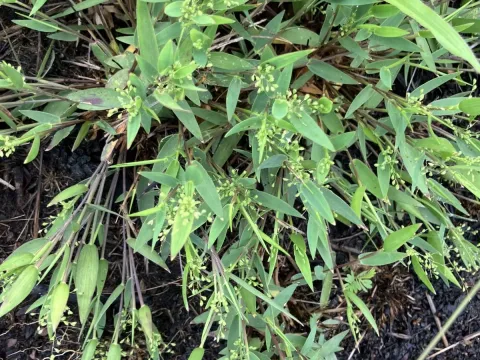
Lance-leaved panicgrass
Panicum lancearium
Lance-leaved panicgrass is a warm-season crop that thrives when planted in well-warmed soil, typically requiring temperatures above 15°C for germination.
What the section contains
Lance-leaved panicgrass
Sowing should be delayed until the risk of frost has passed, as the seedlings are highly sensitive to low temperatures and can suffer significant damage.
When selecting the sowing method, precision seeders are recommended to ensure uniform distribution and optimal plant density per square meter.
Sowing depth is a critical factor, and keeping seeds within the top 3 centimeters helps ensure rapid emergence and early establishment of the root system.
Early spring moisture conservation practices are essential, as the seeds require consistent soil contact and humidity to initiate the germination process successfully.
Belonging to the Poaceae family, this plant is naturally adapted to sunny and open environments, demanding high levels of solar radiation for optimal metabolic activity.
The crop prefers well-drained loamy soils that possess high fertility, allowing for maximum root expansion and efficient nutrient uptake during the active growth phase.
While known for some level of drought tolerance once established, the plant achieves its best performance with adequate water supply during the reproductive stages.
Soil pH should ideally be neutral or slightly acidic; extreme soil conditions often inhibit nutrient availability and can lead to stunted growth patterns.
Effective management includes appropriate fertilization regimes focused on balancing nitrogen, phosphorus, and potassium levels according to soil test analysis.
Smut diseases are the primary pathological concern, capable of colonizing the reproductive organs and leading to substantial yield losses if not managed.
Integrated pest management strategies are vital, starting with seed treatment to minimize the risk of soil-borne pathogens infecting the developing seedlings.
Insect pests, including various cereal aphids and leaf-eating beetles, can disrupt the photosynthetic capacity of the plant by damaging the foliage.
Maintaining field hygiene, such as controlling alternate weed hosts, is a key component in reducing the pressure from migratory insect populations.
- Timely fungicide applications during the boot stage.
- Use of certified pathogen-free seed stock.
- Regular scouting for early signs of fungal infection.
- Implementation of crop rotation cycles to break pest life cycles.
The harvest period is determined by monitoring the moisture content of the grain, which should be sufficiently low to ensure safe storage and long-term viability.
Delayed harvesting can lead to seed shattering and significant loss of yield, particularly in windy conditions or during periods of heavy late-season rainfall.
Combining equipment should be adjusted carefully to prevent mechanical damage to the seeds, as the grain structure of this species is relatively delicate.
After threshing, the harvested material must be dried down to a moisture level suitable for storage to prevent the development of mycotoxins and mold.
Strategic timing of the harvest allows for the preservation of nutritional quality, which is especially important if the biomass is intended for livestock feed purposes.