
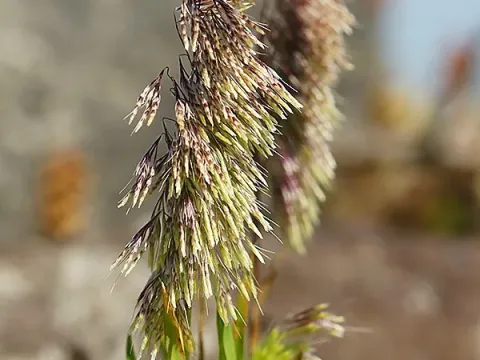
Lamarckia
Lamarckia
Sowing Lamarckia aurea in open fields is best performed in the spring once soil temperatures reach a stable 10-12 degrees Celsius. The seeds are small and require a light covering of soil, as they benefit from moderate light exposure during the germination phase.
What the section contains

Lamarckia
For earlier flowering, seeds can be started indoors in seed trays during late winter. Using a well-draining seed-starting mix is essential to prevent damping-off, a common issue when starting ornamental grasses from seed in indoor environments.
When sowing outdoors, it is recommended to mix the seeds with dry sand. This simple technique ensures a more even distribution across the sowing area, preventing overcrowding and allowing each seedling enough space to establish a healthy root system.
Once seedlings have developed their first true leaves, they should be thinned to a spacing of approximately 15 to 20 centimeters. Proper spacing ensures adequate air circulation, which is vital for the plant's health throughout the growing season.
In regions with mild winters, autumn sowing can be a viable alternative. Seeds sown in late fall will undergo natural stratification over the winter, often leading to more robust and vigorous growth once the spring warmth arrives.
Lamarckia belongs to the Poaceae family and thrives in full sun exposure. It is a Mediterranean native, meaning it requires bright, direct sunlight to develop its signature golden-yellow inflorescences and maintain a compact, healthy growth habit.
The plant is not overly demanding regarding soil fertility but prefers well-draining, neutral to slightly alkaline soils. It performs poorly in heavy, waterlogged clays, which often lead to root rot and stunted development of the delicate panicles.
Watering should be consistent but moderate during the active growth phase. While the plant shows decent drought tolerance once established, prolonged dry spells during the inflorescence development phase can result in smaller, less vibrant flower spikes.
Fertilization should be handled with care, as excessive nitrogen can lead to lush green foliage at the expense of the desired golden seed heads. A balanced, low-nitrogen fertilizer applied sparingly in early spring is usually sufficient.
Lamarckia thrives in temperate climates where temperatures remain above freezing. As an annual, it completes its life cycle quickly, making it suitable for areas where summers are warm and dry, mimicking its natural habitat conditions.
The yield of Lamarckia is measured by the quality and quantity of its ornamental seed heads. Under optimal conditions, a high-density planting can produce a significant volume of harvestable material for the cut flower and decorative market.
Regular maintenance and proper watering directly correlate with the size and intensity of the golden color of the panicles. Professional growers focus on maximizing these aesthetic traits to ensure the product meets high-end floristry standards.
Harvesting for dry floral arrangements is a primary economic driver for this crop. The harvest window is relatively narrow, requiring growers to time their efforts precisely to ensure the seed heads are fully mature yet still structurally intact.
For those interested in seed production, the crop offers high reproductive potential. Proper seed harvesting and processing can result in a self-sustaining cycle where the grower produces enough material for subsequent seasons without purchasing new stock.
Overall, Lamarckia is considered a low-input, high-value crop in specialized sectors. Its popularity among floral designers continues to rise, driven by the current trend for naturalistic and sustainable decorative materials.
Disease management in Lamarckia is primarily centered on moisture control. Root rot and fungal infections are the most common threats, usually triggered by poor drainage or overwatering. Maintaining a dry soil surface is essential for disease prevention.
Powdery mildew can affect the leaves during periods of high humidity and stagnant air. Providing adequate space between plants and ensuring good ventilation are the best cultural methods to mitigate the risk of spreading such fungal diseases.
Pests such as aphids and spider mites can infest the crop, particularly during the hot and dry months. These pests feed on the sap, causing damage to the developing inflorescences and reducing their overall market value.
Regular monitoring is critical. If pest populations reach economic thresholds, growers may need to intervene with gentle insecticidal soaps or biological control agents to preserve the ornamental quality of the spikes.
Weed management is vital throughout the early stages of growth. Weeds compete for nutrients and light, and they can serve as secondary hosts for various pathogens that threaten the health and vigor of the Lamarckia crop.
The harvest of Lamarckia seed heads should be performed when the panicles have reached their peak golden color. It is critical to harvest before the seeds become fully mature and begin to shatter, as this would compromise the appearance of the stems.
Stems should be cut at the base using sharp tools. Immediate removal of excess foliage is recommended to facilitate faster drying times and to ensure that the energy of the plant is focused on preserving the integrity of the golden inflorescences.
Drying should take place in a dark, well-ventilated room with the bunches hanging upside down. This prevents the stems from bending and ensures that the seed heads maintain their elegant, architectural shape as they cure.
Once dried, the product can be kept in a cool, low-humidity environment. Proper storage is key to extending the shelf life of the decorative grasses, ensuring they remain usable for several months or even years if protected from moisture.
Seed harvesting for propagation requires leaving a portion of the crop in the field until the heads turn brown. These should be harvested, air-dried, and gently threshed, then stored in a cool, dry place until the next planting cycle.