
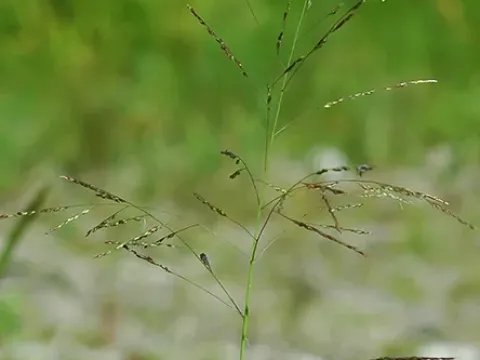
Panicum bartowense
Panicum bartowense
Panicum bartowense is a perennial grass species that establishes best when seeded in early spring after soil temperatures have sufficiently increased to support germination.
What the section contains
Panicum bartowense
Since the seeds are relatively small, shallow planting depth is critical to ensure optimal contact with the soil and to facilitate rapid emergence of the seedlings.
While spring sowing is preferred for consistent stand establishment, dormant or late-autumn seeding may be successful in specific regional climates.
Proper soil compaction after seeding is essential to improve moisture retention around the seeds, which is vital for the development of uniform plant stands.
Establishing the crop early allows the root system to develop adequately before the onset of summer heat and potential moisture stress common in many regions.
As a member of the Poaceae family, this species is known for its remarkable resilience and ability to adapt to a variety of environmental soil conditions.
The crop performs best in well-drained loamy soils, where it can fully exploit its root system without the risks associated with waterlogging or prolonged inundation.
Sunlight is a key requirement for the healthy growth of this species; therefore, areas with significant shading should be avoided to ensure maximum biomass production.
High drought tolerance is one of its primary characteristics, making it an excellent choice for areas prone to erratic rainfall and extended periods of dry weather.
Fertilization programs focusing on balanced nutrient supply, particularly nitrogen, significantly enhance the plant's regrowth rate throughout the growing season.
The total yield of biomass is largely determined by the management practices applied, specifically the frequency of harvests and the overall soil fertility levels.
In optimal growing conditions, Panicum bartowense is capable of producing multiple harvests within a single season, ensuring high overall forage output.
Nutritional value is optimized when the crop is harvested during the early heading stage, which provides the best balance of protein, energy, and fiber.
Regular fertilization following each cutting stimulates vegetative regrowth and helps sustain high yields over several years of productive life.
Effective pasture management or a well-timed cutting schedule allows producers to maximize the economic potential of this perennial forage resource.
Like many grass species, this crop can be susceptible to rust fungi, especially in environments with high humidity levels and poor air circulation within the stand.
Insect pests such as grass flies can cause localized damage during the seedling stage, necessitating regular field scouting to minimize potential economic losses.
Root rot diseases are typically linked to poorly drained soils or excessive water accumulation, emphasizing the importance of site selection and field drainage.
Weed competition is mainly a concern during the initial establishment phase, as the plant needs time to develop a strong root and leaf canopy structure.
Preventative disease management is achieved by utilizing high-quality seeds and maintaining appropriate plant densities to allow for natural aeration.
Hay production is most efficient when using mower-conditioners, which crush the stems to promote faster drying and improve the final quality of the forage.
For silage, the optimal harvesting window occurs at the dough stage of seed development, ensuring that nutrients are balanced across the entire plant biomass.
Maintaining a cutting height of at least 8–10 centimeters is crucial for protecting the basal crown, which facilitates quick regrowth and long-term stand survival.
Monitoring moisture content during storage is essential to prevent spontaneous heating and fungal growth, thereby preserving the nutritional integrity of the harvest.
A well-managed harvest strategy not only maximizes yield but also ensures the longevity of the perennial stand for sustained future productivity.