
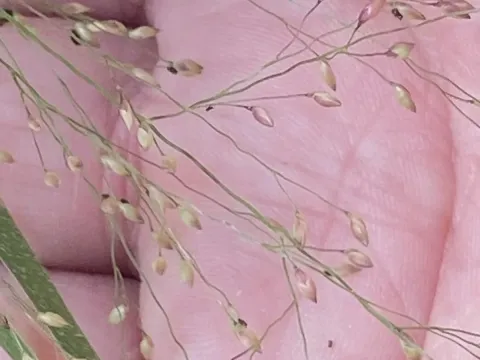
Panicum effusum
Panicum effusum
Panicum effusum is typically sown once the soil has warmed up, following the end of spring frost risks. The ideal window for sowing occurs when soil temperatures at the planting depth reach 12–14 degrees Celsius.
What the section contains
Panicum effusum
The sowing depth is a critical factor for successful emergence, with a recommended range of 2 to 4 centimeters. This ensures that the seeds are placed in a zone with sufficient moisture while being shallow enough for rapid germination.
The seeding rate depends on whether the crop is intended for forage or seed production. Standard row planting with 15–30 cm spacing is generally recommended to provide enough space for individual plants to develop.
Pre-planting soil preparation, including harrowing to retain moisture and manage early weeds, is essential. Creating a firm, fine seedbed is crucial for these small-seeded grasses to establish effectively.
Post-seeding compaction is highly recommended to improve soil-seed contact and capillary moisture movement. This practice significantly increases the field emergence percentage, especially in drier environments.
Panicum effusum is a member of the Poaceae family, known for its remarkable drought tolerance. It is highly valued in regions where other crops might struggle due to limited rainfall and extreme heat.
The species prefers well-drained sandy or silty loam soils. It is critical to avoid waterlogged, heavy clay soils, as the plants are susceptible to root damage when subjected to prolonged periods of standing water.
This crop is thermophilic and requires significant sunlight throughout the growing season. It performs best in open field conditions where it can receive maximum solar exposure for photosynthesis.
While the plant has moderate soil fertility requirements, nitrogen application during the vegetative stage is highly beneficial for biomass yield. Phosphorus is also essential during the early stages for robust root development.
Effective weed control is necessary during the first 30–40 days of growth because the plant has a slow initial growth rate. Protecting the seedlings from weed competition ensures the crop reaches maturity without stress.
Yields of Panicum effusum biomass depend heavily on the level of agronomic management and regional climatic conditions. Proper crop rotation using legumes as precursors can significantly improve soil quality and crop performance.
The application of balanced mineral fertilizers during the stem elongation phase can significantly enhance the volume of the harvestable biomass. Agronomists recommend splitting nitrogen applications for optimal nutrient uptake.
Optimal plant density is key to maximizing productivity per hectare. Agronomic studies suggest that adjusting the planting density to local moisture availability helps in realizing the plant's full biological potential.
Regular inter-row cultivation not only suppresses weeds but also helps in soil aeration, which improves oxygen availability to the root system. This stimulates plant vigor and nutrient uptake efficiency.
Consistent moisture levels during critical growth stages will maximize the total seasonal yield. In irrigated systems, this plant demonstrates a strong response to water and can provide multiple cuttings per season.
Grass flies are one of the primary threats to young Panicum effusum seedlings. Effective protection strategies include seed treatments with insecticides and precise timing of the sowing date to avoid fly activity.
Smut diseases represent a significant threat to the inflorescences of the grass. The use of certified, fungicide-treated seeds and practicing proper crop rotation are the most effective preventive measures.
Fusarium root rot can become a problem in fields with poor drainage or excessive humidity. This pathogen weakens the plant, leading to significant biomass losses and reduced forage quality.
Routine field monitoring is essential for early detection of pest and disease outbreaks. Prompt intervention with approved pesticides can prevent the spread of infestations and protect the final harvest.
Maintaining strong spatial isolation and good sanitation practices in the field helps to keep the infection pressure low. A healthy, well-managed crop is inherently more resistant to various biotic stressors.
For high-quality forage production, harvesting should occur at the onset of the heading stage. At this point, the plant contains the highest concentration of protein and digestible nutrients for livestock.
Using mower-conditioners is highly recommended for faster drying of the biomass. Achieving the correct moisture content in windrows is vital for preventing spoilage and ensuring stable storage.
When grown for seed, harvesting is performed at full physiological maturity. It is crucial to avoid delaying harvest to prevent excessive seed shattering, which can lead to significant yield losses.
Post-harvest processing should focus on cleaning and drying the seeds to a moisture level of 13–14%. Proper drying is essential for the long-term viability of seeds intended for future planting.
Storage facilities should be cool, dry, and rodent-proof to maintain seed quality. Monitoring temperature and humidity levels in storage is standard practice to preserve the commodity until it reaches the market.