
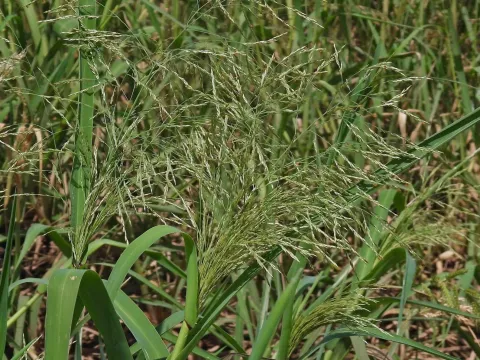
Panicum elephantipes
Panicum elephantipes
Panicum elephantipes is a perennial grass species belonging to the Poaceae family. It is highly valued for its natural adaptation to aquatic and semi-aquatic habitats, making it a unique forage crop.
What the section contains
Panicum elephantipes
Originating in South America, this grass is predominantly found in wetlands, swamps, and floodplains. Its biological structure allows it to thrive in waterlogged soils where most traditional cereal crops would suffer from root decay.
The plant features robust, somewhat succulent stems that provide structural stability even in soft, muddy environments. Its root system is exceptionally efficient at extracting nutrients in anaerobic soil conditions.
Climatic requirements are focused on tropical to subtropical heat and high humidity levels. The species is highly sensitive to frost and drought, requiring a consistent water supply throughout the growing season for optimal development.
Agricultural management primarily focuses on utilizing the plant for grazing or hay production in areas prone to seasonal flooding. Its rapid biomass accumulation makes it an essential resource for livestock in wetland regions.
The crop is susceptible to various fungal pathogens that flourish in high-moisture environments, often leading to foliar diseases such as rusts and smuts.
Insect pests, including stem-boring caterpillars and aphids, can cause significant damage by attacking the succulent tissues of the stalks during the peak growing season.
Integrated pest management strategies involve maintaining proper field sanitation and avoiding overcrowding to ensure air circulation and reduce the humidity around the plant base.
Crop rotation and selecting resistant genotypes are recommended practices to mitigate the risks associated with recurring soil-borne pathogens in specific regions.
Regular monitoring for early signs of disease and pest infestation is crucial for protecting the yield, especially in the humid zones where this grass is cultivated.