
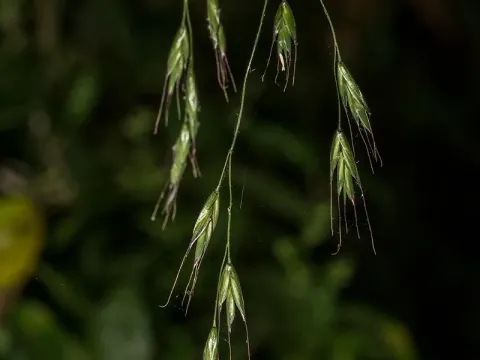
Slender-branched brome
Bromus leptoclaclus
Slender-branched brome (Bromus leptoclaclus) is a perennial grass species belonging to the Poaceae family. It is increasingly recognized in sustainable agriculture as a valuable component for hay meadows and permanent pastures.
What the section contains
Slender-branched brome
The ideal sowing window occurs in early spring, as soon as the soil is workable, to ensure deep root establishment before the onset of summer drought periods. Early planting is vital for maximizing first-year growth.
In regions with milder winters, late autumn sowing is feasible, allowing seeds to naturally stratify, which often results in more uniform germination when temperatures rise in spring.
Seeds should be sown at a shallow depth of 1–2 centimeters. Proper seed-to-soil contact is essential for successful emergence, and using a cultipacker or light roller post-sowing is highly recommended.
Care should be taken to ensure an even distribution of seeds, as this grass species performs best when its stand density is consistent across the field, preventing weed encroachment.
This species displays remarkable ecological flexibility, capable of thriving across a range of soil types, including loams, sandy loams, and even heavier clay soils with decent drainage.
While the plant prefers sites with adequate moisture levels, it possesses moderate drought tolerance due to a fibrous, deep-reaching root system that helps maintain productivity during dry spells.
Sunlight exposure is crucial for Bromus leptoclaclus. It thrives in open field conditions and does not perform well in shaded areas or under dense forest canopies.
Regarding soil fertility, the crop responds positively to nitrogen fertilization during the tillering phase, which promotes vigorous vegetative growth and enhances hay quality.
The species is well-adapted to cooler climates and exhibits excellent frost hardiness, allowing it to survive harsh winter conditions with minimal loss of stand density over the years.
The primary agricultural use of slender-branched brome is for high-quality hay production and silage. It is often mixed with legumes to enhance the overall protein content of the forage.
Yield capacity is highly dependent on effective management, particularly timely fertilization and harvesting, which can result in multiple cuts per growing season under optimal conditions.
Livestock, particularly cattle and sheep, show high palatability for this grass, making it a preferred choice for producers aiming to improve animal weight gain and milk production.
The nutritional profile of the grass remains stable during early growth stages, providing an excellent balance of fiber and essential minerals necessary for healthy ruminant diets.
When used for grazing, rotational management is key to preventing overgrazing, which would otherwise weaken the root system and reduce the longevity of the pasture stand.
Common phytosanitary issues include rust diseases and powdery mildew, which are more prevalent in seasons with high humidity or when plant stands are excessively dense.
Insects like cereal flies and various species of aphids can affect foliage quality, necessitating regular scouting and monitoring of the fields during the peak growing season.
Integrated Pest Management (IPM) strategies, including crop rotation and the maintenance of balanced nutrient levels, are the most effective ways to mitigate these threats.
Preventive measures such as using clean, high-quality certified seeds reduce the risk of introducing pathogens into the soil environment from the very beginning.
If chemical intervention is required, products must be selected carefully, adhering to label guidelines to protect beneficial insects and ensure the safety of the forage for livestock.
For high-quality hay, harvesting should take place during the booting or early heading stage, before the plant allocates too much energy toward flower and seed development.
Seed harvesting requires waiting until the panicles turn a brownish color, indicating full physiological maturity, and should be conducted carefully to minimize shattering losses.
Proper drying is critical; the harvested material should be turned regularly to ensure even moisture loss, which prevents mold formation and improves the storage life of the hay.
Post-harvest management often involves a light harrowing to break up crop residue, followed by a targeted fertilization application to help the plants recover for the next cut.
Following recommended harvesting protocols ensures the persistence of Bromus leptoclaclus in the field for many years, providing consistent returns on investment for farmers.