
Manisuris
Manisuris
Manisuris is a genus of perennial or annual grasses belonging to the Poaceae family. These plants are recognized for their adaptive capabilities in diverse ecosystems, playing a potential role in forage production and soil conservation within warmer climate zones.
What the section contains
Manisuris
The native range of this genus includes tropical and subtropical regions of Asia, Africa, and the Americas. Due to its evolutionary history, the plant exhibits high tolerance to heat and fluctuating humidity levels, making it suitable for regions where other forage grasses might struggle.
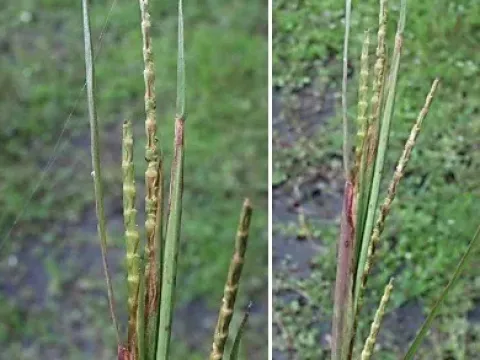
Botanically, Manisuris is characterized by its distinct spike-like inflorescences where spikelets are often embedded in the rachis nodes. The vegetative structure consists of sturdy stems and narrow leaf blades, designed to optimize photosynthetic efficiency in high-light environments.
The crop thrives in well-drained loamy or sandy soils. Proper site selection is essential, as the plant prefers areas that avoid stagnant water while maintaining consistent soil moisture levels during the peak growing season to ensure robust biomass accumulation.
In agricultural practice, Manisuris is primarily utilized as a grazing resource. Its ability to tolerate frequent defoliation and its resilient growth habit make it a valuable asset for maintaining sustainable pasture systems that support livestock health and productivity.
The primary threats to Manisuris cultivation include fungal pathogens such as rusts and smuts, which thrive in conditions of high humidity or poor field ventilation. Crop rotation and maintaining optimal plant density are recommended strategies to mitigate these risks.
Insect pests, specifically grass-feeding aphids and certain coleopterans, can impact foliage quality and overall plant vigor. Integrated pest management practices are essential, focusing on monitoring pest population dynamics and preserving the natural predatory balance within the field.