
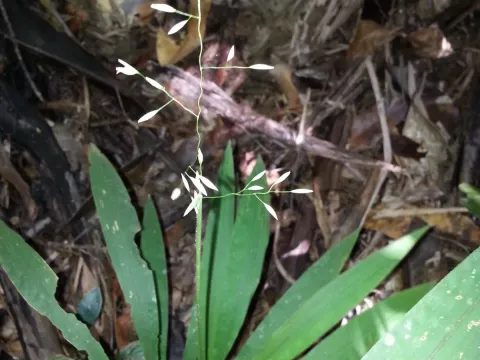
Maltebrunia
Maltebrunia
Maltebrunia is a genus of herbaceous plants belonging to the Poaceae family. These grasses are primarily native to tropical regions of Africa and Madagascar, where they adapt to local climatic cycles characterized by distinct wet and dry seasons.
What the section contains
Maltebrunia
When cultivating this species, the sowing period should be aligned with the beginning of the rainy season to ensure sufficient moisture for germination. Soil temperatures must remain consistently warm, ideally above 20 degrees Celsius, to support uniform seed emergence.
The seeds of Maltebrunia are small, requiring careful placement in the soil. A shallow sowing depth is critical to ensure that the seedlings can reach the surface before exhausting their internal energy reserves, typically within a few days under ideal conditions.
Preparation of the seedbed involves fine-tilth cultivation to create an even surface. Compaction should be avoided during the process to facilitate root penetration. Seed rates are calculated based on the desired final density of the stand, considering the grass's ability to tiller.
Post-sowing management includes keeping the field free of invasive weed species that could outcompete the young grass. Once established, Maltebrunia exhibits rapid growth, which can be further enhanced by targeted irrigation and basic mineral fertilization.
The primary environmental requirement for Maltebrunia is a tropical climate without frost risk. It thrives in high-temperature environments and is highly sensitive to cold, which restricts its viable cultivation area to equatorial and adjacent regions.
Soil conditions play a significant role in plant health. Maltebrunia prefers well-drained, fertile soils with a balanced pH. Heavy clay soils that tend to become waterlogged are unsuitable because they inhibit root development and promote the onset of fungal diseases.
Light intensity is another vital factor. As a tropical grass, it requires full sun exposure to maximize photosynthetic output. Partial shading often results in thin, etiolated stems and a reduction in the total dry matter yield, negatively impacting its fodder value.
Adequate moisture supply during the vegetative phase is essential for commercial yields. While the plants possess moderate drought tolerance, sustained periods of water deficit will lead to dormancy or early flowering, which reduces the nutritional quality of the foliage.
Fertilizer application should be based on soil testing to address specific nutrient deficiencies. The crop is particularly responsive to nitrogen inputs, which promote lush leaf growth, and potassium, which enhances overall stress resistance and structural integrity of the stems.
Fungal pathogens, particularly rust species, constitute a significant threat to Maltebrunia plantations. These diseases spread rapidly in warm, humid climates and can significantly diminish the leaf surface area, leading to lower crop productivity.
Insects, including leaf miners and various grass-feeding beetles, are common pests that affect the biomass. Monitoring for early signs of infestation is crucial, as larval stages can cause rapid damage to the tender parts of the plants, particularly during the tiller phase.
Preventative measures are the cornerstone of disease management. This includes rotating crops, maintaining spatial separation from other grass species that may harbor pests, and ensuring proper airflow within the stand to reduce humidity-related fungal risks.
Root and crown rots occur when the soil remains overly wet or poorly aerated for extended periods. Agrotechnical practices must prioritize drainage to prevent stagnant water, which is a major precursor to root decline and stunted development in tropical grasses.
- Use of high-quality, disease-free seed stock.
- Regular field scouting for early pest detection.
- Proper management of irrigation to prevent waterlogging.