
Magellan wheatgrass
Elymus magellanicus
Description
Sowing dates
Sowing of Elymus magellanicus is best performed in early spring once the soil has warmed up, or in late autumn as part of winter preparation.
Seeds should be planted at a shallow depth of approximately 1-2 centimeters, maintaining consistent moisture levels until germination occurs.
When starting seeds in trays, ensure they are placed in a well-lit area to prevent the seedlings from becoming weak or leggy.
Space the plants about 40-50 centimeters apart when transplanting outdoors to allow each clump sufficient room to spread its root system.
Incorporate root barriers during planting to prevent the grass from spreading uncontrollably throughout the garden bed, as it is a vigorous grower.
Growing requirements
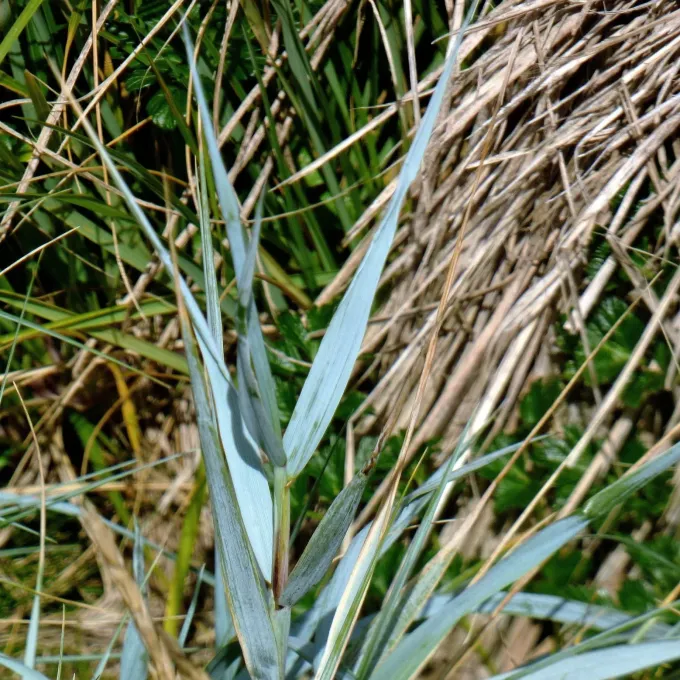
Magellan wheatgrass belongs to the Poaceae family and is highly prized for its distinctive steel-blue foliage that provides color throughout the year.
The plant thrives in full sun, which is essential for maintaining its vibrant blue hue; shaded spots will cause the leaves to turn dull green.
It prefers well-drained, sandy, or loamy soil types and exhibits remarkable tolerance to poor, rocky soil conditions common in its native habitat.
The species is highly drought-tolerant once established and does not require frequent watering, making it an excellent choice for low-maintenance landscapes.
This grass is native to the southern regions of South America, making it well-adapted to windy environments and varying temperate climates.
Main diseases and pests
Elymus magellanicus is generally robust and suffers from very few diseases, provided it is planted in conditions that prevent waterlogging.
The main threat to the health of this ornamental grass is root rot caused by poor drainage or over-irrigation in heavy, clay-based soils.
Pests such as aphids or leaf-eating insects are rare but may occasionally appear during prolonged heatwaves, requiring minor intervention.
Regular sanitation, such as removing old or dead foliage, is crucial to improve air circulation within the clumps and reduce the risk of mold.
If pest populations become significant, use targeted biological control methods to maintain the ecological balance of the garden.
Harvesting
The primary use of Magellan wheatgrass is ornamental, serving as a focal point in borders, gravel gardens, or as a component in dried floral arrangements.
Harvesting for dried displays should occur when the seed heads are fully formed but not yet beginning to shatter, ensuring longevity of the decorative stems.
Hang the harvested stems upside down in a dark, airy location to preserve their texture and natural color throughout the winter months.
Perform an annual spring cleanup by cutting back the entire plant to the ground before new growth emerges, which rejuvenates the clump.
Following the spring cut, a light application of balanced fertilizer can help boost the plant's growth and intensify the color of the new foliage.