
Maidencane
Panicum hemitomon
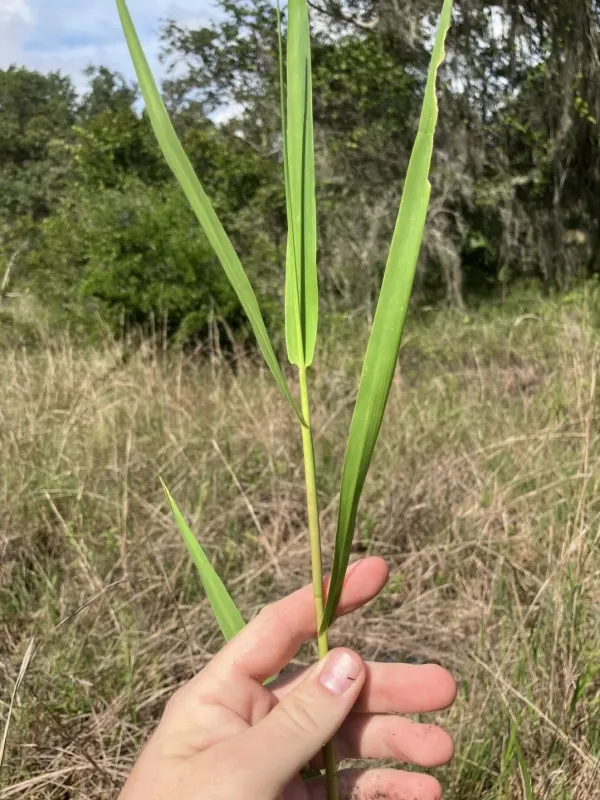
Description
Growing requirements
Maidencane (Panicum hemitomon) is a perennial grass species belonging to the Poaceae family. It is widely recognized for its high adaptability to aquatic and semi-aquatic environments, making it a critical component of wetland ecosystems and certain grazing lands.
The botanical structure of the plant features an extensive rhizomatous root system. These deep, creeping underground stems allow the plant to colonize saturated soils rapidly and persist even in harsh, waterlogged conditions where other grasses would succumb to root rot.
The plant thrives in full sun exposure and requires consistently moist, even saturated soil to achieve peak biomass production. It is uniquely capable of withstanding prolonged flooding, a characteristic that makes it suitable for coastal areas or flood-prone fields.
Maidencane prefers acidic to neutral soils with a high organic content. While it is a vigorous grower, it requires relatively warm temperatures; exposure to severe frost or freezing conditions can significantly damage the succulent stems and inhibit subsequent regrowth.
From an agricultural standpoint, Maidencane is valued as a forage source in low-lying pasture systems. It provides essential grazing opportunities in areas that are otherwise unproductive, serving as a staple plant for livestock grazing in wetland-adjacent agricultural zones.
Main diseases and pests
Fungal pathogens represent the most significant threat to Maidencane plantations, particularly during periods of stagnant water and high humidity. These conditions can trigger the onset of leaf blights and stem rots that degrade the nutritional quality of the forage.
Root-feeding pests, such as various types of nematodes, can pose a localized threat by compromising the integrity of the rhizome network. Damage to the root system typically results in reduced vigor and slower recovery after harvesting or grazing.
Insects that consume the stems or foliage can cause substantial damage during the height of the summer growing season. Frequent scouting of the fields is recommended to manage populations before they impact the overall crop yield.
Weed encroachment is another factor to monitor, as aggressive invasive species can compete with the grass for nutrients in the early establishment phase. Maintaining a healthy, dense stand of the grass is usually the best defense against invasive weeds.
Effective management includes appropriate stocking rates and water control strategies. By balancing moisture levels and grazing pressure, producers can mitigate the risk of disease outbreaks and ensure the long-term sustainability of the pasture.