
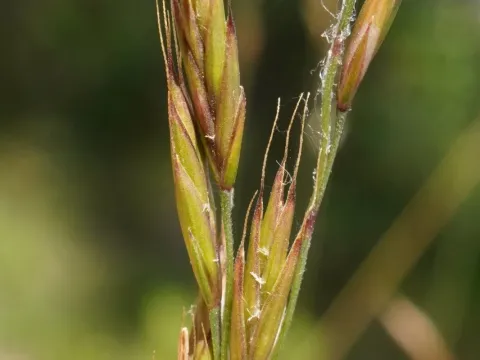
Hard fescue
Festuca stricta
Hard fescue (Festuca stricta) belongs to the Poaceae family and is recognized for its durability and adaptation to various environments. The optimal time for sowing is during the early spring or late autumn when soil temperatures favor seed germination and establishment.
What the section contains
Hard fescue
Preparation of the seedbed is essential for this species. A firm, weed-free soil surface ensures that the small seeds are not buried too deeply. A depth of 1 to 2 centimeters is ideal for achieving a uniform plant population across the field.
The seeding rate typically ranges from 12 to 16 kg per hectare, depending on whether the fescue is sown as a monoculture or as part of a seed mixture. Using precision drills followed by light rolling helps optimize seed-to-soil contact.
Once established, the seedlings demonstrate a vigorous growth rate. While they may need some protection from aggressive weeds in the first few weeks, the grass quickly develops a dense root system that secures its place in the field.
Early sowing allows the plant to develop a strong root system before the heat of summer. This timing is critical for maximizing productivity and ensuring the plant’s longevity in both hay and pasture scenarios.
Festuca stricta is highly adaptable, thriving in well-drained sandy or loamy soils. It has an excellent tolerance for low-fertility conditions, making it a cost-effective choice for farmers managing extensive land areas.
The grass is known for its remarkable winter hardiness. It remains dormant through freezing temperatures and recovers quickly when the spring thaw begins, showing resilience against late frosts that might damage more sensitive species.
Water requirements are modest compared to other forage grasses. The plant’s deep root system allows it to access moisture from lower soil profiles during dry spells, maintaining green cover even in challenging weather conditions.
Optimal growth is observed in soils with a neutral or slightly acidic pH. If the soil is excessively acidic, liming is recommended to improve nutrient uptake and encourage the development of thicker, more productive stands.
Sunlight exposure is a key factor for this species. While it is tolerant of partial shade, full sun produces the highest yields and the best nutritional quality for hay, as shade tends to thin the plant density.
In terms of forage production, hard fescue can provide yields between 15 and 25 tonnes of green mass per hectare. With proper nitrogen fertilization and adequate moisture, these yields can be consistently high over several years.
The species is highly regarded for its regrowth potential after harvesting. Farmers can typically expect two to three cuts per season, providing a steady supply of quality roughage for livestock throughout the year.
Nutritional quality remains stable throughout the season, which provides flexibility in harvest timing. This stability is particularly beneficial for larger operations that need to manage harvest schedules effectively across multiple fields.
Seed production is consistent, allowing growers to harvest their own seeds for future planting. Seeds should be harvested during the wax-ripe stage to ensure high germination rates and minimize yield loss due to shattering.
Hard fescue is also well-suited for grazing. It can handle moderate trampling and livestock pressure without significant damage to the turf, making it an excellent dual-purpose grass for both haying and grazing systems.
Common diseases affecting hard fescue include rust fungi, which thrive in humid conditions. Maintaining good air circulation within the canopy and avoiding overly dense sowing help reduce the prevalence of these pathogens.
Powdery mildew may occur during periods of high humidity and moderate temperatures. Fungicides can be employed if the infestation is severe, but focusing on good agricultural practices remains the best preventative measure.
Grass flies are the primary pests that damage the young stems of the plant. Monitoring for yellowing tips and stunted growth is necessary during the early development phases, with insecticide application used as a last resort.
Aphids can cause stress by feeding on the sap of the leaves. While natural predators often keep aphid populations in check, significant outbreaks should be treated to prevent the spread of associated fungal issues like sooty mold.
An integrated pest management approach, including rotation and the use of resistant varieties, helps keep these threats under control while minimizing the environmental impact of chemical treatments.
Harvesting for hay should ideally occur at the onset of the heading phase. At this time, the plant contains an optimal balance of structural carbohydrates and protein, providing the best nutritional value for cattle and horses.
A cutting height of 5–7 centimeters is recommended to protect the basal growing points. This ensures quick regeneration of the plant, which is vital for the success of subsequent cuts throughout the season.
Quick drying is essential for producing high-quality hay. Tedding or fluffing the windrows allows for faster moisture evaporation, which prevents the development of spoilage organisms and preserves the green color of the forage.
Once baled, the hay should be stored in a dry, well-ventilated location. Hard fescue hay maintains its nutritional profile well during storage, making it a reliable feed source for winter months.
When harvesting for seeds, the crop should be swathed first and left to dry before threshing. Using a properly calibrated combine ensures that seeds are gathered with minimal waste and damage, maintaining a high level of purity.