
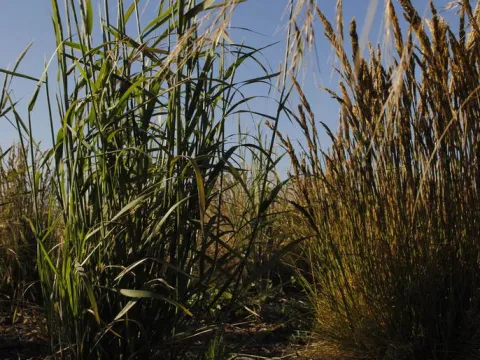
Festuca pulchra
Festuca pulchra
Festuca pulchra is a perennial grass species belonging to the Poaceae family. Sowing is typically carried out in early spring as soon as the soil warms to 6–8°C, which ensures optimal germination and the establishment of a strong, healthy root system for the plants.
What the section contains
Festuca pulchra
In regions with milder winters, late autumn sowing is also a viable option, allowing for earlier growth and better establishment in the following season. The seeding rate should be adjusted according to seed viability and target stand density, generally ranging from 10 to 15 kg per hectare.
Seed depth should be kept shallow, preferably between 1.5 and 2 cm, due to the small size and limited energy reserves of the seeds. It is highly recommended to roll the soil after sowing to ensure excellent seed-to-soil contact and prevent the surface layer from drying out.
The grass is known for its slow initial development during the first year, which makes early weed control essential to prevent competition. A row-seeding method with 15 cm spacing is ideal for ensuring an even distribution and uniform coverage across the field area.
As the plant matures, it develops a robust, dense root system and bunch structure, which naturally aids in suppressing weed growth in subsequent years. Proper timing and site preparation are critical for ensuring the longevity and productivity of the stand.
This grass thrives in well-drained, fertile loamy or sandy soils with a neutral to slightly acidic pH. Festuca pulchra is recognized for its high drought tolerance, which allows it to remain productive during periods of water deficit where other species might fail.
It is moderately light-demanding but can tolerate partial shade, making it a suitable candidate for inclusion in diverse pasture mixtures. The species is highly winter-hardy, allowing it to withstand extreme temperature fluctuations without suffering significant damage to its vegetative tissues.
Optimal moisture is required for maximum biomass production, although the plant is highly sensitive to waterlogging or standing water. Areas selected for cultivation should have natural drainage to prevent root rot and ensure the long-term survival of the grass population.
Fertilization, particularly with nitrogen, significantly boosts forage production early in the growing season. Applying potassium and phosphorus supports root health and overall plant resilience, which is particularly beneficial for the longevity of perennial meadows.
Management of grazing intensity is vital, as excessive trampling by livestock can damage the plant's crown and reduce stand density. Rotational grazing or managed hay cutting schedules are recommended to maintain the health and vigor of the Festuca pulchra stand.
The yield of Festuca pulchra depends heavily on site fertility, moisture availability, and management practices. On average, well-managed stands can produce between 30 and 45 quintals of high-quality hay per hectare, serving as an excellent source of nutrients for livestock.
The peak biomass yield is typically achieved between the second and third year of growth. The foliage is known for its high protein content and good palatability, making it a highly desirable component for both fresh pasture grazing and dried winter forage production.
When used in combination with legumes, this grass enhances the overall nutritional balance of the feed. Its ability to regrow after cutting makes it a reliable choice for operations that require multiple harvests within a single growing season under favorable conditions.
The duration of a productive stand can span 5 to 7 years depending on environmental conditions and management intensity. Strategic nitrogen applications can extend the peak productivity period of the stand beyond the initial years of establishment.
Producers should monitor growth rates throughout the season to determine the optimal timing for cutting, which ensures a balance between total biomass volume and the nutritional quality of the hay produced for livestock consumption.
Like many grasses, Festuca pulchra can be susceptible to fungal diseases, including powdery mildew and various rust species. High humidity and poor air circulation within the stand promote the development of these pathogens, necessitating careful monitoring.
Pests, such as grass flies and aphids, can damage young shoots and reduce the photosynthetic capacity of the plants. Early detection through regular field scouting is essential for managing pest outbreaks before they result in significant yield losses.
Root rot remains a concern primarily in poorly drained soils where water accumulates. Proper site selection and drainage management are the most effective preventative strategies against these soil-borne threats to the grass population.
Integrated pest management, including crop rotation and timely harvesting, helps limit the habitat available for harmful insects. Keeping the stand healthy through proper fertilization also makes it more resistant to opportunistic disease infections and environmental stress.
In some regions, small rodent activity during winter can damage the plant crown, so ensuring that the field is not overgrown and monitoring for signs of rodent infestation is recommended for the long-term preservation of the forage meadow.