
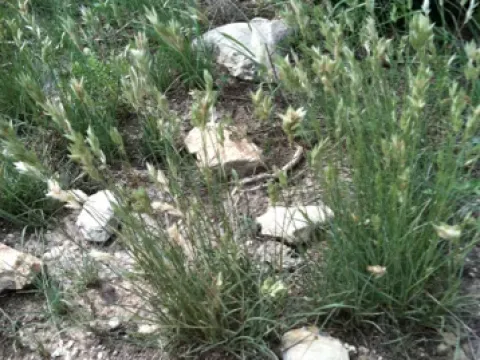
Erioneuron
Erioneuron
Sowing of Erioneuron is primarily conducted in the spring, once soil temperatures reach 12–15 degrees Celsius. Ensuring good seed-to-soil contact is critical, as the small seeds of this grass are sensitive to planting depth.
What the section contains

Erioneuron
The optimal sowing depth ranges from 0.5 to 1 centimeter. If planted too deeply, seedlings may fail to emerge due to insufficient initial energy reserves.
Seeds of this crop are characterized by relatively slow germination, so fields should be cleared of weeds in advance to prevent competition during the first month of vegetation.
To establish a healthy stand, it is recommended to use a seeding rate equivalent to 8–10 kilograms per hectare for drill seeding. Proper density is essential for developing a stable, erosion-resistant root mat.
In the wild, reproduction also occurs via natural seeding; therefore, dormant autumn sowing can be practiced to allow seeds to undergo natural stratification.
Erioneuron is a genus of perennial grasses in the Poaceae family, specifically adapted to the harsh conditions of semi-arid regions and desert landscapes.
The plant exhibits exceptional tolerance to drought and extreme temperatures, allowing it to thrive in rocky or sandy soils that are low in organic matter.
This crop prefers well-drained soil types. Waterlogging is detrimental to Erioneuron, as it promotes root rot within its shallow, surface-oriented root system.
The optimal pH level for stable growth is typically between neutral and slightly alkaline, which matches the soil conditions of its natural range in North America.
To develop full vegetative mass, the plant requires intense sunlight, as it is classified as a light-demanding grass species.
The economic value of Erioneuron is primarily associated with its role in natural pasture ecosystems, where it provides critical grazing forage during dry seasons.
Green biomass yield is directly dependent on rainfall and nutrient availability; however, in intensive agricultural systems, it is rarely cultivated as a primary fodder crop.
The biological potential of this species is geared towards accumulating significant root biomass, which helps stabilize erosion-prone soils, making it a valuable plant for land reclamation.
When integrated into mixed rangeland stands, Erioneuron helps increase the overall resilience of the pasture against degradation and heavy grazing pressure.
Seed harvesting under commercial conditions is challenging because inflorescences mature at different rates, requiring multiple harvesting passes throughout the season.
Major threats to Erioneuron stands include fungal infections that develop under improper humidity levels or stagnant air conditions within dense plantings.
Pests, such as aphids and various mite species, can damage young leaf tissue, effectively reducing the plant's overall photosynthetic capacity.
The root system may be susceptible to wireworms, particularly during the first few years after breaking ground, which leads to reduced stand density.
Weed infestation represents a severe competitive threat during the first year of growth, necessitating timely mechanical weeding or management strategies.
To prevent the spread of diseases, it is essential to follow good crop rotation practices and avoid excessive nitrogen fertilization, which can encourage weak, succulent tissue growth.