
Orthoclada
Orthoclada
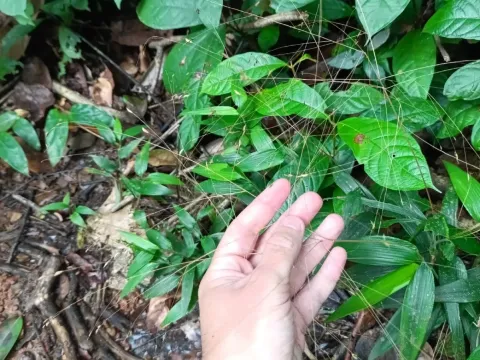
Orthoclada is a genus of perennial grasses belonging to the Poaceae family. These plants are native to the tropical regions of the Americas, where they are typically found in moist, shaded forest understories, demonstrating a unique adaptation to low-light environments.
What the section contains

Orthoclada
The morphology of the plant is characterized by broad, lush leaf blades that distinguish it from the narrow-leaved grasses commonly found in temperate pastures. Its inflorescences are delicate panicles that develop on upright culms, following the standard developmental pattern of its subfamily.
Climate requirements for Orthoclada include a frost-free environment with consistent warmth throughout the year. High humidity is essential for the plant to maintain its physiological functions, as it lacks the drought-tolerance mechanisms of xerophytic grasses.
Soil preferences involve organic-rich, well-draining media. Because the plant naturally inhabits forest floors, it thrives in soil that remains moist but allows for significant oxygen exchange at the root level, preventing anaerobic conditions that lead to root distress.
In terms of usage, Orthoclada serves primarily as a botanical interest species rather than a commercial crop. It provides significant aesthetic value in tropical botanical gardens and conservatories, serving as an example of specialized adaptation to the dense shade of the tropical canopy.