
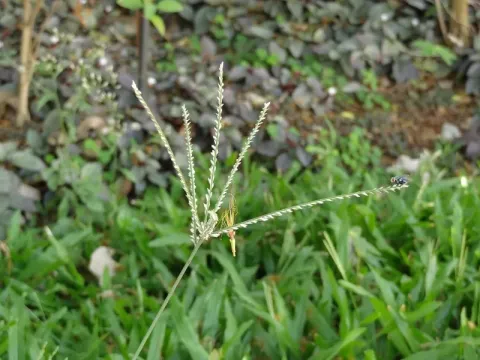
Eleusine jaegeri
Eleusine jaegeri
Eleusine jaegeri is a perennial grass species belonging to the Poaceae family. It is native to the high-altitude regions of East Africa, where it thrives in specialized environmental conditions, primarily in mountain ecosystems.
What the section contains
Eleusine jaegeri
Sowing this crop requires careful consideration of its natural growth cycle. It typically responds well to planting at the onset of the rainy season, which provides the necessary moisture for seed germination and seedling establishment.
The seeds are small and require a light covering of soil to ensure proper contact while still receiving sufficient light to trigger the germination process. Sowing density should be managed to prevent overcrowding.
Proper site selection is crucial for successful establishment. It prefers open areas with significant exposure to sunlight, avoiding competition from woody plants that could shade the young grass.
Initial agricultural efforts should focus on soil preparation, ensuring the ground is free from large debris and well-aerated to support the development of a strong root system from the very beginning.
Eleusine jaegeri has specific soil and climatic requirements. It thrives in fertile, well-drained soils, often demonstrating strong performance in volcanic substrates rich in minerals typical of its native mountain range.
The climate should be characterized by cool nights and moderate temperatures during the day, which are typical for high-altitude environments. It has a high degree of adaptability but performs best under consistent moisture.
Drainage is essential for this species. Waterlogging can lead to root rot and other physiological issues, so selecting fields with natural slopes or well-engineered drainage systems is highly recommended.
Nutrient management is key to maintaining high productivity. Regular application of phosphorus and potassium-based fertilizers helps promote stronger stem structure and increases overall resilience against environmental stress.
While the plant can survive periods of moderate drought due to its ability to enter a dormancy-like state, supplemental irrigation during extreme dry seasons can significantly improve forage yield and quality.
The primary agricultural use of Eleusine jaegeri is as a high-quality forage crop for livestock. It is highly valued in pastoral farming for its ability to provide consistent green mass in mountain conditions.
Productivity is highly dependent on grazing management or mowing frequency. When managed correctly, the crop exhibits excellent regrowth potential, allowing for multiple harvests per vegetative season.
Nutritional value is highest during the vegetative stage of growth. Harvesting before the plant reaches full maturity ensures a higher concentration of proteins and minerals, which are vital for cattle health.
Optimal yields are achieved through a combination of strategic fertilization and rotational grazing. This approach prevents overgrazing and encourages the plant to store energy for rapid recovery.
Agricultural reports indicate that Eleusine jaegeri is a hardy species that provides reliable biomass, making it a sustainable choice for farmers operating in challenging high-altitude terrain.
Like many Poaceae species, Eleusine jaegeri is susceptible to fungal infections such as rust, especially under conditions of prolonged high humidity and poor air circulation within the stand.
Pest pressure, particularly from grasshoppers and other insects, can be significant. Integrated pest management, focusing on biological controls, is preferred to maintain the quality of the forage for livestock consumption.
Soil compaction represents a long-term threat to yield. Overstocking on grazing land can damage the root structures, leading to reduced vigor and making the grass more susceptible to opportunistic weed invasion.
Fungal outbreaks related to powdery mildew can occur during periods of unseasonably wet weather. Ensuring adequate plant spacing is an effective cultural practice to reduce the incidence of these diseases.
Monitoring the field for signs of chlorosis or leaf spotting is essential. Early detection allows for targeted intervention, helping to maintain the health and vigor of the entire grass stand.
Harvesting Eleusine jaegeri for hay is typically performed just before the heading stage to maximize the feed quality. The timing must be precise to balance biomass volume with nutritional value.
Drying the harvested material should be done efficiently to preserve the nutrient content of the leaves. Overexposure to intense sunlight can lead to shattering and the loss of the most nutritious parts of the plant.
Proper storage in a dry, well-ventilated barn is necessary to prevent spoilage. Keeping the moisture content of the hay low is vital for long-term storage and avoiding issues with mold growth.
Mechanical harvesting equipment adapted for hilly terrains can significantly improve efficiency. Small-scale farmers often rely on manual labor, which ensures careful handling of the crop during the drying process.
Following harvest, a light harrowing or top-dressing of fertilizer can help rejuvenate the field, encouraging the root system to push out new shoots for the next growth cycle.