
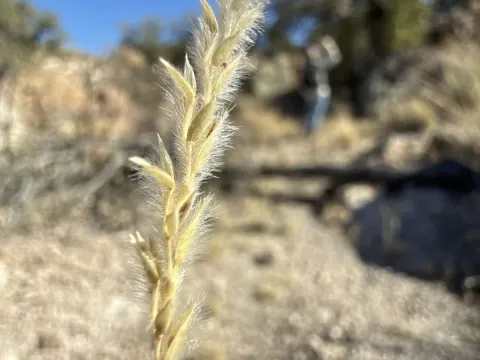
Elionurus
Elionurus
Elionurus is a genus of perennial grasses belonging to the Poaceae family. These plants are widely distributed across tropical and subtropical regions, particularly in South America, Africa, and Australia, where they occupy a variety of ecological niches.
What the section contains


Elionurus
Botanically, Elionurus is characterized by its tufted growth habit and stiff, narrow leaves. It possesses a well-developed root system that enables the plant to thrive in nutrient-poor and sandy soils, making it highly drought-tolerant.
The cultivation of Elionurus requires well-drained soils and high levels of sunlight. It is sensitive to waterlogging, which can rapidly lead to root rot and loss of plant vigor, so site selection is paramount for successful cultivation.
Regarding agricultural practices, Elionurus is often managed as a pasture grass. Its ability to regrow after grazing makes it a durable component of grasslands, although its nutritional quality can fluctuate depending on the growth stage.
Beyond its forage value, certain species within the genus are notable for their essential oils, which have sparked interest in using the biomass for industrial and cosmetic applications.
Typical threats to Elionurus stands include various fungal pathogens, such as leaf rust and root rot, which are primarily facilitated by stagnant moisture and poor air circulation within the canopy.
In terms of pests, the plant is susceptible to insects that target the roots or foliage, including larvae of ground beetles and several species of moth caterpillars that feed on the blades.
Effective management includes regular maintenance of the field to prevent the accumulation of dead vegetation, which acts as a primary source of inoculum for fungal spores.
Monitoring for pest outbreaks is crucial during the early stages of establishment, as young plants are particularly vulnerable to environmental stress and localized infestation.
Integrated pest management strategies focusing on biological control and proper soil drainage are generally more sustainable than relying solely on chemical intervention for this hardy species.