
Elbe lovegrass
Eragrostis albensis
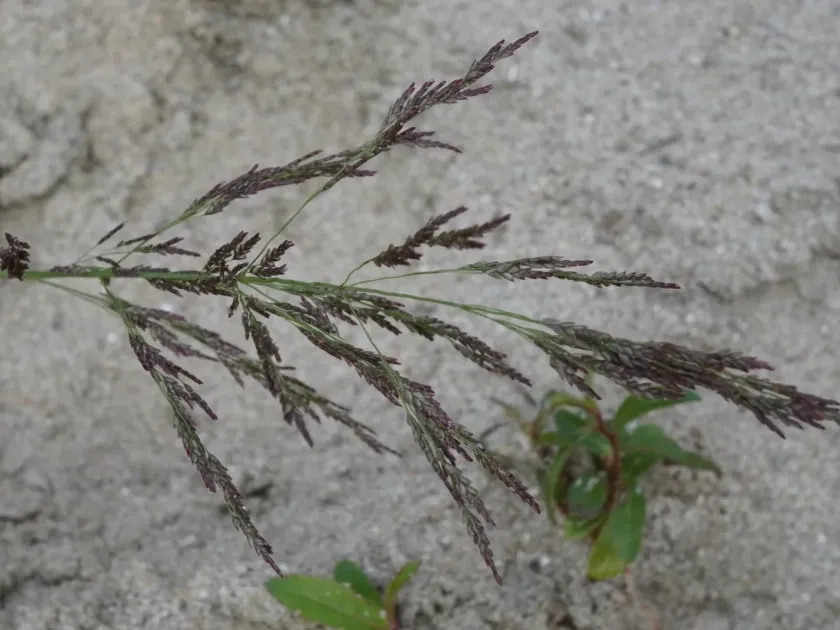
Description
Sowing dates
Elbe lovegrass is a warmth-loving crop that requires consistent soil temperatures to ensure successful germination and seedling establishment.
The ideal sowing window typically opens in late spring when the danger of late frost has passed and the ground is sufficiently warmed.
Shallow planting is recommended, as the small seeds need consistent moisture to sprout but should not be buried too deeply in the soil.
Good seed-to-soil contact is achieved through rolling the field after sowing, which helps to maintain the necessary soil moisture levels.
In regions with longer growing seasons, early sowing allows the crop to establish a deep root system before the onset of summer heat.
Growing requirements
This grass species thrives in sunny, open locations and is highly sensitive to shading, which significantly impacts its overall density.
It shows remarkable adaptability to various soil types, particularly favoring well-drained sandy and loamy soils where other grasses struggle.
While known for its drought resistance, it benefits from moderate irrigation or regular rainfall during the peak stages of vegetative growth.
The crop prefers slightly acidic to neutral soil pH, which maximizes the availability of essential nutrients required for biomass production.
Proper field management includes ensuring adequate drainage to prevent waterlogging, which can be detrimental to the plant's health.
Yield
Elbe lovegrass is recognized for its high production of biomass, making it a valuable resource for both silage production and haymaking.
Typical yields depend on nitrogen fertilization and the frequency of mowing, with high-intensity management leading to increased annual tonnage.
The plant demonstrates excellent regrowth capabilities, allowing for multiple harvests within a single growing season under optimal conditions.
Nutritional quality, including crude protein content, is highest when the plant is harvested before reaching the reproductive stage.
Long-term field productivity is sustained through proper nutrient replacement and avoiding overgrazing by livestock during the active season.
Main diseases and pests
Fungal diseases, including rusts and leaf spots, may occur under conditions of high humidity, necessitating proper ventilation in the canopy.
Common agricultural pests such as aphids and wireworms can affect the seedling development and reduce the stand density in the early stages.
Integrated pest management strategies involve crop monitoring and the use of resistant varieties to reduce the reliance on chemical interventions.
Maintaining a balanced ecosystem through healthy crop rotation helps to break the life cycles of common soil-borne pathogens.
Regular field scouting is essential to identify early signs of infestation and to take corrective actions before the damage becomes significant.
Harvesting
The best time to harvest for quality forage is during the heading stage, which provides the best balance between mass and nutrient content.
Delaying harvest often results in lower palatability due to the accumulation of lignin and the drop in digestible protein levels in the stems.
When used as pasture, managed grazing intervals are necessary to maintain the health of the plant and prevent soil compaction.
Seed harvesting should be performed when the heads turn a characteristic color, ensuring that the seeds are fully filled and mature.
Efficient drying and storage are critical to preserving the quality of the harvested biomass and preventing the development of mold.