
Elymus condensatus
Elymus condensatus
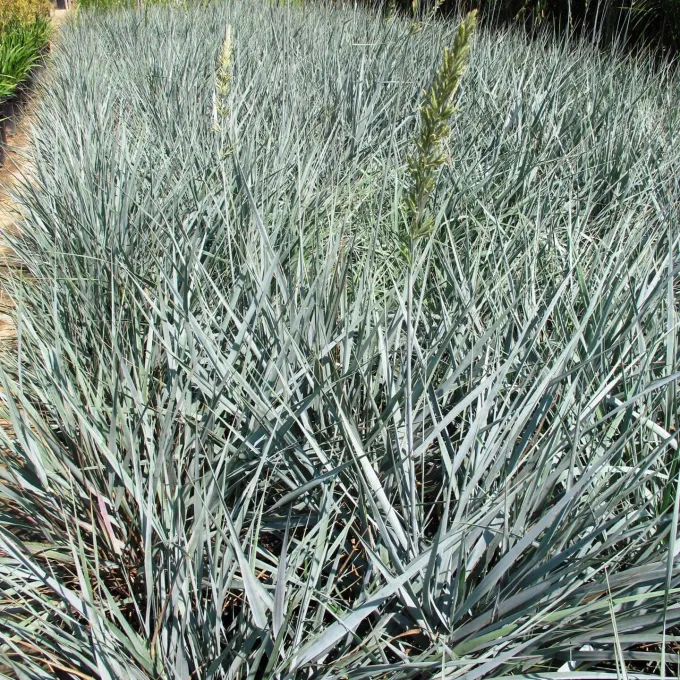
Description
Sowing dates
Sowing Elymus condensatus, commonly known as Giant Wild Rye, should ideally take place in the autumn or early spring when soil moisture is adequate. Seeds require a shallow planting depth of 1 to 2 centimeters to ensure successful germination and seedling establishment.
For establishing uniform stands, drilling in rows spaced 15–20 centimeters apart is the most effective method. In arid conditions, rolling the soil after sowing improves seed-to-soil contact, significantly increasing the success rate of emergence.
The seeding rate typically ranges from 8 to 12 kilograms per hectare, depending on the purity and viability of the seed lot. Seedlings usually emerge within 15 to 20 days, provided the soil temperatures are favorable for growth.
During the first year, the plant invests significant energy into root development, resulting in moderate above-ground growth. Effective weed management during this phase is essential to prevent competition and ensure the survival of young plants.
Once established, the plant exhibits strong vegetative recovery capabilities, allowing it to maintain a productive stand for many years under proper management practices.
Growing requirements
Elymus condensatus belongs to the Poaceae family and is a robust perennial grass native to North America. It is exceptionally well-adapted to harsh environmental conditions, thriving in areas where other forage grasses might struggle due to drought or heat.
The plant prefers well-drained, sandy, or loamy soils but displays remarkable plasticity, growing well in heavier clay soils as long as standing water is avoided. It performs best in a pH range of 6.5 to 8.0, showcasing its ability to tolerate alkaline conditions.
Naturally found on open slopes and foothills, it requires full sunlight to achieve optimal photosynthetic efficiency and biomass accumulation. These conditions are critical for the plant to reach its full size and structural density.
Protection from overgrazing is vital during the early establishment years until the turf becomes dense and resilient. In areas with high humidity, ensuring good air circulation is necessary to mitigate the risk of fungal infections.
Giant Wild Rye is highly effective for phytoremediation and soil stabilization. Its deep, extensive root system makes it an excellent choice for reclaiming degraded lands and preventing erosion on slopes and wind-prone areas.
Yield
The forage yield of Elymus condensatus depends heavily on soil fertility and moisture availability, typically producing between 3 to 6 tonnes of dry matter per hectare. The highest productivity is generally observed from the second to the fourth year of growth.
Under irrigation, the biomass production increases significantly, allowing for multiple harvests per growing season. Its nutritional value makes it a reliable feed source, provided it is harvested at the appropriate developmental stage.
The plant features a long growing season, offering a consistent supply of green forage until late in the year. To maintain quality, harvesting should occur before the stems become overly lignified and tough for livestock.
For ornamental purposes, while biomass is less critical, maintaining the plant's structural integrity and aesthetic form is paramount. Seasonal cleaning of dead foliage helps stimulate the growth of new, lush green blades.
Experimental trials indicate that early spring nitrogen application can boost biomass output, although balanced nutrient management is key to maintaining the plant's natural hardiness and drought tolerance.
Main diseases and pests
The primary threats to this grass include root rot diseases, which often occur in waterlogged conditions or poorly drained soils. Ensuring proper drainage is the most effective preventative measure for maintaining stand health.
Common pests such as cereal flies and aphids may infest young plants, reducing their overall vigor. Regular monitoring during the spring months allows for timely intervention using integrated pest management strategies.
High humidity levels can facilitate the development of rust diseases, necessitating the use of systemic fungicides if the infection pressure is high. Sourcing certified, disease-free seed is essential for field health.
Small mammals and rodents can cause damage to the root systems during dormant months, making pest control a necessary part of the agricultural management plan. Natural predator encouragement is a preferred biological control method.
Competitive weeds, particularly perennial grasses, can suppress growth during the early stages of the crop's life. Mechanical cultivation between rows in the early phases is highly recommended for optimal stand development.
Harvesting
Harvesting for high-quality hay should be conducted at the early boot stage or the beginning of heading. At this time, the plant offers the best balance of protein, energy, and overall digestibility for livestock.
When harvesting for silage, immediate chopping post-cutting is recommended to improve compaction and fermentation. Modern harvesting equipment ensures minimal loss of nutrients during the baling or ensiling process.
For seed production, the harvest should take place when the panicles reach maturity and turn a straw-yellow color. Extreme care must be taken to prevent seed shatter, which can result in significant yield losses.
After harvesting, harrowing the field to remove thatch promotes better air exchange and stimulates new growth. A light fertilization application post-harvest can also help the stand recover quickly.
In small-scale operations, manual cutting is feasible, though it is important to maintain a stubble height of at least 5 to 7 centimeters to ensure the preservation of growing points for future cuts.