
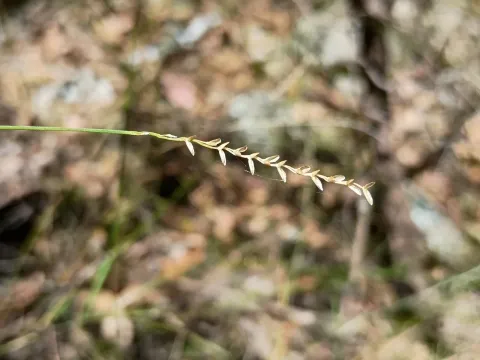
Rush Ehrharta
Ehrharta juncea
Rush Ehrharta (Ehrharta juncea) belongs to the Poaceae family. This perennial grass is native to South Africa and is highly valued for its ability to thrive in challenging environments where typical forage crops might fail.
What the section contains
Rush Ehrharta
The plant is anatomically adapted to sandy, nutrient-poor soils, utilizing a deep and efficient root system to secure moisture. Its rush-like leaves are a distinctive feature, helping the plant minimize water loss through transpiration.
In terms of climatic needs, it prefers open, sunny locations with moderate temperatures. It is known for its resilience against periodic drought, making it a reliable resource for farmers operating in arid or semi-arid regions.
Agricultural management of this species involves careful grazing strategies to prevent over-utilization. By allowing for recovery periods, producers can ensure the longevity and productivity of the pasture stands.
The primary use of this grass is for livestock forage, particularly in areas with degraded soils. Furthermore, its dense growth habit makes it an excellent choice for stabilizing loose soils and preventing wind-driven erosion.
Fungal pathogens such as rust or mildew represent the primary threats to the health of the crop. These are most prevalent during prolonged periods of high humidity and insufficient air circulation within the plant canopy.
Insect pests, including aphids and various grass-feeding larvae, can lead to reduced biomass production. Implementing integrated pest management strategies is essential to maintain the nutritional quality of the pasture.
Root zone pathogens can also be an issue if the soil remains waterlogged for extended periods. Ensuring good field drainage is a critical step in maintaining a healthy, productive stand of Rush Ehrharta.
Competition from invasive weeds can hinder the establishment of new plantings, especially in the first season. Manual or chemical weed control is often necessary during the early stages of growth.
Proper nutrient management is necessary to prevent exhaustion of the soil, despite the plant's hardy nature. Periodic soil testing and light fertilization help maximize the potential yield of the pasture.