


Reference · Crops
Rye
Secale
Winter rye is one of the most cold-hardy cereal crops, making proper planting dates essential for building a robust root system before the onset of winter. The optimal sowing period usually occurs from late August through September, depending on the climatic zone.
5
items
What the section contains
Marketplace
Products in this section · 12


Vitavax 200 FF
Crompton (Uniroyal Chemical) Registration Limited
Fungicides
1
0
17 offers
5.37 €per 1 l
Buy


Rye
Farmers must time the sowing to ensure that the plants reach the tillering stage with 3–4 healthy shoots before entering dormancy. Sowing too early risks overgrowth and higher susceptibility to snow mold, while late sowing results in underdeveloped plants with poor winter survival rates.
Seeding depth varies based on soil moisture and texture, with 3–5 centimeters being the standard range. Proper depth ensures that seeds have sufficient contact with moist soil for uniform germination.
The use of certified, treated seeds is a critical practice to prevent soil-borne diseases and ensure a strong start for the crop. High-quality seeds are the foundation of a uniform and productive rye stand.
The seeding rate typically ranges from 3 to 5 million viable seeds per hectare. In cases of delayed planting, increasing the seeding rate can compensate for reduced tillering, ensuring adequate plant density per unit area.
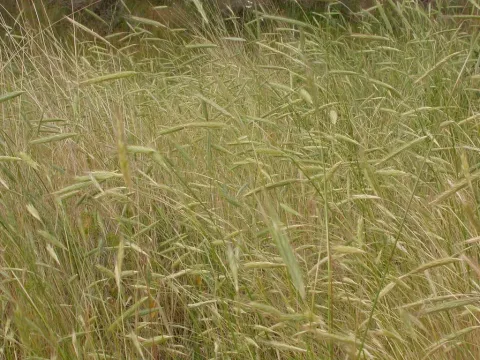
Rye (Secale cereale), a member of the Poaceae family, is renowned for its ecological plasticity and ability to thrive on poor, sandy, or acidic soils where other cereals would fail. Its extensive root system allows for efficient nutrient uptake.
While rye is more drought-tolerant than wheat, it still requires adequate moisture during critical growth stages, such as stem elongation and heading, to ensure proper grain development and maximize yields.
Rye tolerates a soil pH range of 5.5 to 6.5 exceptionally well and can even perform in more acidic conditions. This makes it an ideal choice for fields with low fertility or poor soil structure, where it acts as a reliable agricultural anchor.
Regarding fertilization, rye responds effectively to nitrogen applications during the spring regrowth phase. Phosphorus and potassium are best applied during autumn tillage to support early development and winter hardening.
The crop demonstrates exceptional winter hardiness, surviving temperatures as low as -25°C at the tillering node level. A consistent snow cover further protects the plant, allowing it to withstand even more extreme arctic conditions.
Grain yield in rye depends heavily on the specific variety, with modern hybrids significantly outperforming traditional population varieties. Choosing the right genotype for the local climate is the first step toward high production.
Under good agronomic management, grain yields typically range from 3 to 6 tons per hectare. In highly productive environments with optimal inputs, these numbers can be exceeded, reflecting the crop's genetic potential.
Stand density at harvest is a key determinant of final yield. Minimizing losses during the winter months through proper planting techniques is vital for maintaining the intended population density for harvest.
Rye’s aggressive spring growth provides excellent competitive suppression of weeds, often reducing the need for intensive herbicide applications. This characteristic is highly valued in low-input and organic production systems.
Grain quality, measured by the "falling number," is a vital indicator for the milling and baking industries. Timely harvest and proper post-harvest handling are essential to preserve these functional properties of the grain.
Major diseases affecting rye include snow mold, brown rust, and powdery mildew. Snow mold is particularly problematic in regions with wet, mild winters, as it can cause significant thinning of the stand in early spring.
Insect pests such as the Hessian fly, cereal beetles, and various aphid species pose risks to the crop. These pests can damage the plant at various stages, from seedling emergence to the grain-filling phase.
Fusarium head blight is a significant concern, as it not only impacts grain weight and fill but also leads to the accumulation of mycotoxins. Contaminated grain may become unsuitable for food processing, causing severe economic losses.
Integrated Pest Management (IPM) is the most effective approach to handle these threats. This includes crop rotation, the use of resistant cultivars, and judicious application of fungicides and insecticides based on field monitoring thresholds.
Regular scouting throughout the growing season allows for early detection of disease or pest hotspots. Early intervention is key to minimizing damage and maintaining the overall health of the rye field.
Harvest begins when the grain reaches physiological maturity, with moisture content typically dropping to 14–16%. Procrastination can lead to grain shattering and reduced quality due to lodging or weathering.
Depending on local conditions and equipment availability, farmers use either direct combining or a two-stage swathing process. Direct combining is common in dry, uniform conditions where moisture levels are already optimal.
The two-stage method involves cutting the crop into swaths during the late dough stage, allowing the grain to dry naturally in the field. This can be beneficial for managing weed issues or ensuring uniform moisture in unevenly ripening fields.
Combine settings must be carefully calibrated to avoid cracking the rye grain, which has a relatively thin pericarp. Adjusting cylinder speed and clearance is crucial to ensure clean harvest with minimal damage.
Post-harvest storage requires proper cleaning and aeration to prevent spoilage. Keeping the grain dry and cool ensures that its functional and germination qualities remain intact for market or seed purposes.