
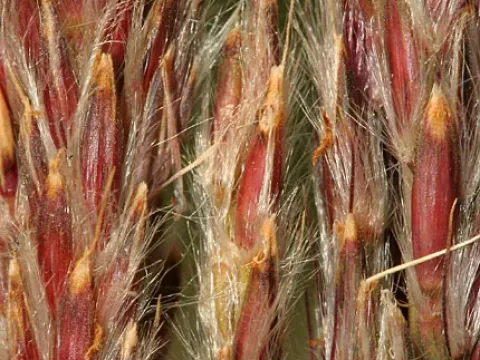
Saccharum strictum
Saccharum strictum
Saccharum strictum is typically propagated using vegetative methods, specifically by planting stem cuttings with active nodes. This approach ensures rapid establishment and maintains the genetic integrity of the crop for commercial production.
What the section contains
Saccharum strictum
The optimal planting time coincides with warm weather when the soil temperature consistently reaches 18 to 22 degrees Celsius. In tropical environments, planting can occur year-round provided that sufficient moisture levels are maintained.
Although seed propagation is possible, it is rarely utilized outside of research or breeding programs due to the specific moisture requirements for germination. Vegetative propagation remains the standard for field applications.
Thorough soil preparation is essential before planting, involving deep plowing and the removal of weeds to reduce competition. A well-prepared seedbed facilitates quicker root development and uniform growth across the field.
Spacing strategies are chosen based on the level of mechanization. Wider rows are preferred to allow for efficient irrigation and mechanical weeding throughout the growth cycle of the crop.
Belonging to the Poaceae family, Saccharum strictum thrives in tropical and subtropical climates. The plant requires intense solar radiation to drive the photosynthetic processes responsible for biomass accumulation.
Water availability is a critical factor for successful cultivation. While the plant shows some tolerance for mild dry spells, high yields are strictly dependent on consistent moisture throughout the growing season.
The ideal soil for this crop is well-drained and nutrient-rich, such as fertile loam. Poor drainage can lead to root hypoxia and increased susceptibility to fungal pathogens, significantly reducing overall plant health.
The preferred temperature range for growth is between 25 and 32 degrees Celsius. Extreme cold or frost events must be avoided, as the plant is highly sensitive to temperatures dropping below the physiological threshold.
Balanced fertilization is necessary to support the rapid growth of this species. Nutrient management should focus on high nitrogen availability during the early stages of development to boost vegetative mass.
Fungal diseases, particularly red rot and other stem-infecting fungi, represent the most significant threat to plant health. These pathogens proliferate in high-humidity environments and can drastically reduce sugar concentration.
Insect pests, such as stem borers and certain beetle larvae, inflict damage by tunneling into the stalk. This internal damage compromises the structural integrity of the plant and limits nutrient transport.
Weed management is vital during the early establishment phase, as uncontrolled weed growth can shade out young shoots. Integrated pest management strategies, including crop rotation, are recommended to maintain field health.
Regular surveillance is necessary to identify early signs of infestation or infection. Rapid intervention using appropriate biological or chemical agents can prevent the spread of diseases across the entire plantation.
Maintaining sanitary conditions around the fields is crucial for preventing the entry of invasive pathogens. Proper agricultural practices and disease-resistant cultivars are the foundation of effective threat mitigation.