
Cymbopogon validus
Cymbopogon validus
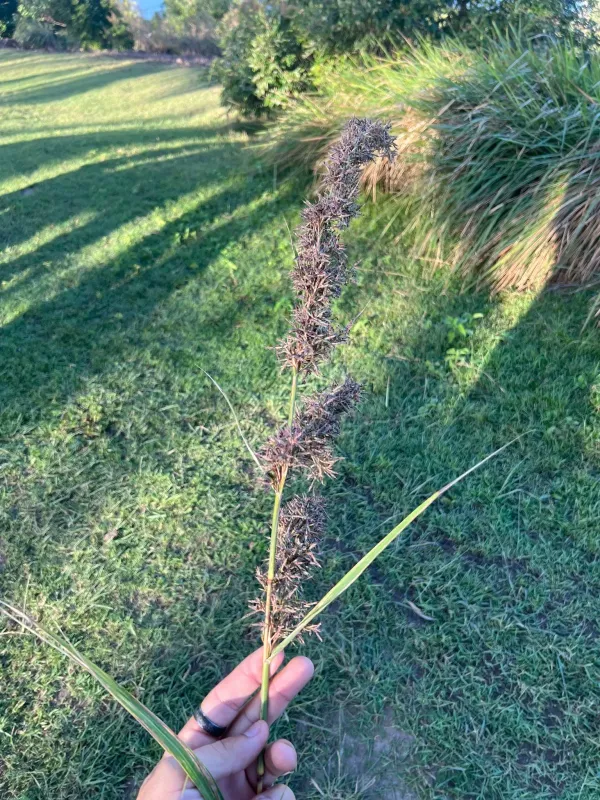
Description
Growing requirements
Cymbopogon validus is a perennial grass species belonging to the Poaceae family, natively distributed across Southern Africa and parts of the savanna biome.
The plant exhibits a robust morphology, forming dense clumps with long, aromatic leaves that contain high concentrations of volatile essential oils.
This crop thrives in warm, tropical, and subtropical climates, requiring significant sunlight exposure to maximize both biomass production and oil accumulation.
Optimal growth occurs in well-drained, sandy-loam soils that facilitate deep root penetration while preventing the accumulation of excess stagnant water.
Temperature tolerance is a critical factor; while the species is adapted to warm environments, it requires protection from severe or prolonged frost to survive.
Yield
The primary economic value of Cymbopogon validus lies in the extraction of aromatic oils, which are utilized in the flavor, fragrance, and cosmetic sectors.
Yield capacity is significantly influenced by agricultural inputs, specifically the management of nitrogen fertilization to support rapid vegetative regrowth.
Multi-harvest strategies can be employed, where the crop is cut back several times per growing season to promote fresh leaf development.
Quality control during the post-harvest phase is essential, as the oil profile can change based on the storage conditions of the freshly harvested foliage.
Continuous monitoring of oil yields per hectare is recommended to assess the long-term viability of the plantation as the plants age over several years.
Main diseases and pests
The crop is generally resilient, but excessive soil moisture remains the primary threat, as it frequently leads to root rot and systemic fungal infections.
Foliar pathogens, including various types of leaf rust and mildew, can emerge in high-humidity environments, necessitating proper spacing between plants.
Insect pests such as grasshoppers and aphids can occasionally cause damage to the leaf structure, potentially impacting the overall photosynthetic capacity.
Weed competition is a significant challenge during the establishment phase, as the young plants require a clear field to develop their initial root structure.
Integrated pest management strategies focusing on early detection and soil aeration are the most effective ways to maintain the health of the cultivation.