
Cymbopogon proximus
Cymbopogon proximus
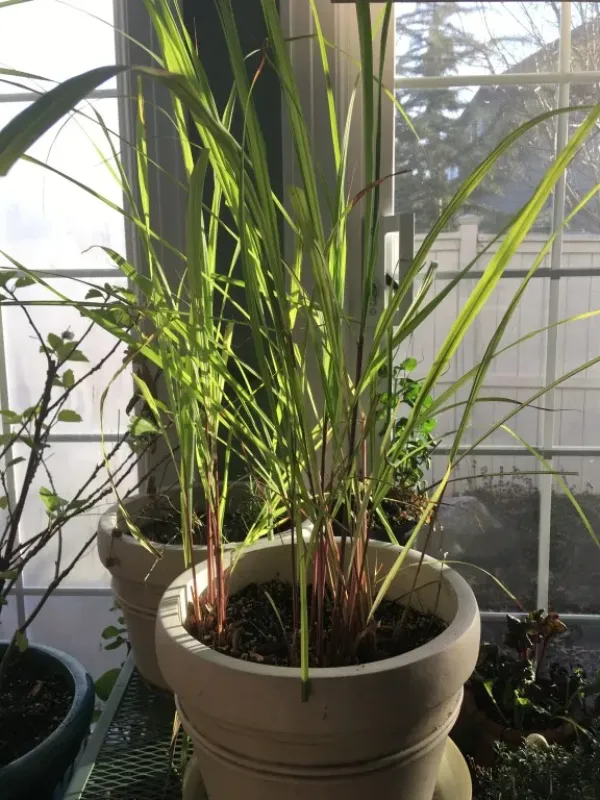
Description
Sowing dates
Sowing of this crop in its natural habitat typically coincides with the beginning of the rainy season, which provides the seeds with the necessary moisture for successful germination. In industrial settings, seeds are sown in well-prepared nurseries before being transplanted into the main field.
The optimal planting depth for seeds is no more than 1–2 centimeters, as the small seeds require surface placement to access sunlight. Soil temperature for germination should be maintained between 20 and 25 degrees Celsius.
When using vegetative propagation methods such as clump division, the schedule shifts to the plant's dormancy period. This allows for faster establishment of the root system in the soil before active growth begins.
An important factor during sowing is maintaining a row spacing of at least 60–80 centimeters to ensure adequate development of the aerial biomass. Excessive plant density can lead to a reduction in essential oil concentration in the leaves.
Regular irrigation in the first weeks after sowing is critical, as the crop is sensitive to the drying of the topsoil during the early stages of development.
Growing requirements
Cymbopogon proximus belongs to the Poaceae family and is a typical xerophytic plant that prefers sunny locations. The plant is highly demanding of light intensity, which directly influences the biosynthesis of terpenoids.
The crop prefers light, well-drained sandy or sandy-loam soils with a neutral or slightly acidic pH. Water stagnation in the root zone is detrimental and can cause rhizome rot.
The temperature optimum for growth lies between 25 and 32 degrees Celsius, and the plant is capable of tolerating short-term drought thanks to its deep root system.
Moderate application of nitrogen fertilizers promotes green biomass growth, though excessive amounts can negatively impact the quality of the essential oil. Adding organic compost is also recommended to maintain soil structure.
Protection from strong, cold winds is an important agronomic practice in regions with unstable climates, as it prevents damage to the plant's aerial parts.
Yield
The yield of raw biomass depends on the intensity of irrigation and soil fertility, reaching several tons per hectare per season under optimal conditions. Harvest is typically carried out during the period of maximum essential oil content in the leaves.
For processing, the plant is mown at a height of 10–15 centimeters from the soil surface, which promotes rapid regrowth. Under proper management, 2–3 full harvests are achievable annually.
The essential oil yield depends on extraction methods and the stage of plant growth at the time of harvest. Experienced agronomists aim to harvest before flowering to preserve the most valuable chemical composition of the oil.
After collection, the biomass should be transported quickly to the processing facility to prevent the loss of volatile components under direct sunlight. Prolonged storage of freshly mown grass leads to a decrease in commercial product quality.
A minimum interval of 45–60 days between harvests should be observed to allow the plant to accumulate enough plastic substances for the next growth cycle.
Main diseases and pests
The main threats to plantations include fungal diseases that develop under high humidity and poor ventilation. Rust fungi can attack the leaves, reducing photosynthetic activity and overall raw material quality.
Pests such as spider mites and various aphid species pose a threat during dry periods. They damage young plant tissues by sucking sap and suppressing the growth of the aerial biomass.
Soil nematodes can attack the root system, leading to premature wilting and reduced plantation productivity. Prevention includes crop rotation and the use of healthy planting material.
Weed competition is significant in the first year of cultivation, making regular weeding and inter-row cultivation essential for success. Mulching between rows helps suppress weed growth and retain soil moisture.
Biological pest control methods are recommended to avoid chemical accumulation in the essential oil, which possesses high nutritional and pharmacological value.
Harvesting
Harvesting begins when the plant reaches a height of 60–80 centimeters, indicating sufficient accumulation of secondary metabolites. The process should be conducted in the morning hours after the dew has evaporated.
The use of mechanized mowers significantly accelerates harvesting on large scales. It is important to ensure mower blades are sharp to provide a clean cut without damaging the root crown.
Collected grass is immediately sent for distillation to extract essential oil. If drying is required, it should be done in the shade with good ventilation, avoiding overheating, which leads to the evaporation of active compounds.
Packaging and storage of dry materials must be done in low-humidity conditions to prevent mold. Essential oil should be stored in airtight containers made of dark glass to protect against photo-oxidation.
After the final cut, the field must be cleared of plant residues to prevent the overwintering of pests and pathogens, ensuring a healthy start for the next growing season.