
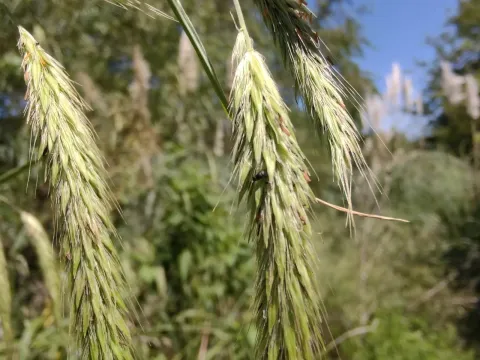
Cenchrus latifolius
Cenchrus latifolius
Sowing of Cenchrus latifolius is typically conducted in the spring when soil temperatures reach 12–15 degrees Celsius. This heat-loving crop requires stable warm conditions for successful germination and early establishment in the field.
What the section contains
Cenchrus latifolius
The seedbed must be prepared thoroughly by leveling and firming the soil surface. This ensures optimal seed-to-soil contact, which is vital for the crop to efficiently absorb moisture and nutrients during the critical emergence phase.
Seed depth should generally range between 1 and 2 centimeters. Because the seeds are small, precise planting depth is essential to prevent them from drying out or failing to penetrate the soil surface during the germination process.
Seeding rates depend on the intended use of the field, whether for hay production or rotational grazing. Standard row spacing of 30–45 centimeters is recommended to allow for initial weed control and proper development of the individual grass clusters.
Post-sowing rolling is highly recommended to improve soil capillary action. By consolidating the soil, growers can facilitate better water transport to the seeds, which significantly increases the uniformity and speed of the overall plant stand.
Cenchrus latifolius is a perennial grass species within the Poaceae family. The plant is evolutionarily adapted to warm, sunny environments and is highly prized for its resilience in arid and semi-arid climatic conditions.
Soil requirements are relatively modest; the crop thrives in well-drained sandy loam or light loam soils. Proper drainage is imperative, as Cenchrus latifolius is intolerant of waterlogging, which can rapidly lead to root rot and poor stand health.
Maximum light exposure is a non-negotiable requirement for optimal growth. Shaded environments inhibit the plant's photosynthetic capacity, resulting in lower biomass production and a decrease in the overall nutritional quality of the forage.
The species tolerates a wide pH range but prefers neutral to slightly alkaline soil conditions. While it can survive on lower fertility soils, the application of nitrogen-based fertilizers significantly boosts vegetative mass and overall yield.
Maintenance during the early growing stages involves shallow cultivation between rows to eliminate competing weeds. Once the grass canopy closes, it effectively suppresses most invasive weeds, reducing the need for intensive maintenance.
The yield of Cenchrus latifolius makes it a valuable asset for forage production and livestock nutrition. Proper management and balanced fertilization allow for multiple harvests throughout a single growing season, maximizing the return per hectare.
The peak nutritional profile occurs during the transition from the boot stage to early heading. Harvesting at this precise developmental window ensures the highest crude protein content and digestible energy for livestock consumption.
The plant exhibits excellent regrowth capacity, often referred to as recovery after cutting or grazing. This trait makes it highly suitable for rotational grazing systems, providing consistent forage availability through the hot summer months.
Annual yields vary depending on regional rainfall and the intensity of management. Under irrigated conditions, the biomass production increases substantially, allowing for high-intensity livestock support systems in otherwise challenging climates.
Effective stand longevity depends on avoiding continuous overgrazing. Rest periods between grazing rotations are essential to allow the plant to replenish carbohydrates in the roots, ensuring sustained productivity over several years of use.
Common diseases in Cenchrus latifolius are typically triggered by environmental stressors, particularly high humidity or poor ventilation. Fungal infections, such as leaf spot or rust, may occur if the stand is allowed to become too dense or stagnant.
Pests like aphids or various grass-feeding beetles can cause damage during the active growing phase. Periodic scouting is necessary to identify potential infestations early and determine if intervention with insecticides is required.
Weed management remains the most significant challenge for young stands. During the first few weeks, weeds compete for limited resources; therefore, keeping the plot clean is vital for the establishment of a healthy, permanent crop stand.
Good cultural practices, such as proper timing of harvest, help disrupt the life cycles of most common pests and pathogens. By removing aging biomass, growers create a less hospitable environment for the development of fungal and insect populations.
Crop rotation remains the most effective long-term preventative measure against soil-borne pests. It is advisable to avoid planting Cenchrus latifolius on the same site for several years to maintain soil structure and minimize the accumulation of specific pathogens.