
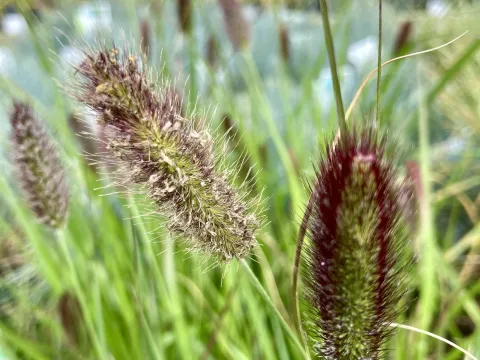
Cenchrus massaicus
Cenchrus massaicus
Sowing Cenchrus massaicus is best performed at the onset of the rainy season, when soil temperatures reach 20–25 degrees Celsius to facilitate rapid seed germination.
What the section contains
Cenchrus massaicus
The seeding rate typically ranges from 4 to 8 kilograms per hectare, depending on the chosen planting method and the viability of the seed lot used.
Seeds should be planted at a shallow depth of 1–2 centimeters, as deeper burial can significantly reduce emergence rates due to the plant's limited initial energy reserves.
Mechanical sowing with subsequent roller compaction is recommended to ensure optimal soil-to-seed contact, which is vital for establishing a dense and uniform stand.
Early weed control is essential for successful establishment, as the seedlings of this grass species exhibit slow initial growth rates compared to aggressive weeds.
Cenchrus massaicus is a perennial grass from the Poaceae family, specifically adapted to the ecological conditions of tropical and subtropical regions.
The plant exhibits exceptional drought tolerance, allowing it to remain productive in arid climates where many other pasture grasses would typically wither.
It thrives in a wide range of soil types, including sandy, loamy, and rocky soils, provided that the planting site has at least minimal drainage.
An optimal soil pH for this crop ranges from 6.0 to 7.5; however, it demonstrates significant resilience even in moderately alkaline or nutrient-poor soils.
As a sun-loving plant, it requires full exposure to solar radiation and is not suited for shaded areas such as those near dense tree lines or forest canopy.
The biomass yield of Cenchrus massaicus is highly responsive to nitrogen fertilization, which should be applied after grazing or mowing cycles to boost recovery.
Under managed conditions with regular irrigation, the grass can provide several harvests per season, acting as a reliable reserve of green fodder.
The crop is highly suitable for grazing systems, as it recovers quickly from intense herbivory when given adequate rest periods between grazing rotations.
Its nutritional profile remains stable even when the plant matures, making it a valuable feed source for livestock throughout various seasons of the year.
Long-term yield stability can be maintained through periodic harrowing of the pasture, which stimulates tiller growth and prevents the hardening of the soil surface.
The primary threats to the crop include various fungal diseases that flourish in high-humidity environments, potentially leading to leaf blight or crown rot.
Insect pests, particularly grasshoppers and leaf-eating caterpillars, pose a significant risk to young stands by damaging foliage and hindering root development.
- Rust fungi affecting the blades and reducing photosynthetic capacity.
- Root rot occurring in poorly drained or waterlogged field sections.
- Grasshoppers capable of massive defoliation of the pasture stand.
- Stem borers that occasionally infest the growing points of the grass.
Disease management is primarily prophylactic, focusing on appropriate site selection to ensure good airflow and natural water drainage across the field.
Chemical intervention should be considered only as a last resort, prioritizing integrated pest management practices to maintain pasture safety for livestock.
Harvesting for hay should be timed before the onset of the flowering phase to ensure the highest protein content and maximum digestibility for animals.
When ensiling the green mass, monitoring moisture levels is critical to facilitate proper fermentation and prevent the growth of harmful molds or bacteria.
Cutting height must be carefully managed to leave sufficient stubble, which is essential for the plant to regenerate successfully after harvesting operations.
Grazing management involves adjusting stocking density to match the growth rate of the grass, preventing overgrazing and the depletion of root reserves.
Seed harvesting should be performed when the seed heads reach maturity, utilizing combine harvesters set at low speeds to prevent mechanical damage to the seeds.