
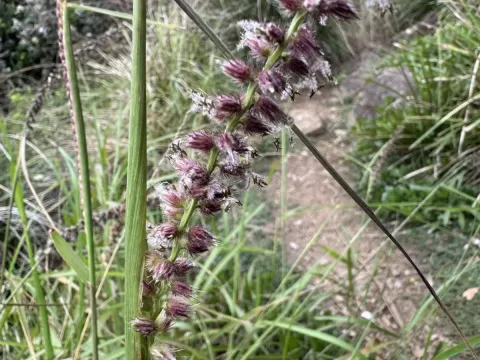
Cenchrus caliculatus
Cenchrus caliculatus
Cenchrus caliculatus is a perennial grass species belonging to the Poaceae family, known for its robustness and adaptation to tropical and subtropical environments.
What the section contains
Cenchrus caliculatus
Sowing should ideally occur after the soil has warmed sufficiently in the spring, typically requiring temperatures above 15 degrees Celsius for optimal germination.
Seeds are placed at a shallow depth of approximately 2–3 centimeters, ensuring they remain in contact with soil moisture to promote rapid seedling emergence.
Uniform distribution during planting is essential for establishing a dense and productive stand, which helps in suppressing minor weed infestations.
The plant demonstrates significant vigor once established, often spreading naturally through its root system and seed dispersal mechanisms in suitable climates.
This grass thrives in well-drained sandy or sandy-loam soils, reflecting its natural preference for coastal or open habitats in its native range.
It is exceptionally drought-tolerant and well-adapted to high-light environments, making it suitable for regions where other forage crops might struggle.
Optimal growth is achieved in open areas with minimal shading, as the plant requires abundant solar radiation to maintain its high photosynthetic rate.
While tolerant of low-nutrient soils, supplemental nitrogen application can significantly boost biomass production in agricultural settings.
Soil structure should remain aerated, as this plant is sensitive to waterlogging, which can impair root health and overall plant vigor.
The primary economic use of Cenchrus caliculatus is as a source of forage, providing a reliable feed source for livestock in grazing-intensive systems.
The yield potential is high when the grass is managed correctly, as it is capable of fast regrowth following grazing or moderate mowing cycles.
Nutritionally, it offers a balanced intake of protein and dietary fiber, especially when harvested or grazed during the vegetative stage before flowering.
Managed pasture rotation ensures that the grass remains in its most nutritious phase, maximizing the beef or milk production per hectare.
It serves as an excellent option for soil conservation in pasturelands, thanks to its extensive root system that prevents soil erosion.
The crop is generally resistant to many common pests, though humidity-related fungal pathogens can occasionally affect leaf tissue in denser stands.
Minor infestations by aphids or grain beetles may occur during the peak growth season, necessitating standard field monitoring practices.
Competition from more aggressive weeds during the early establishment phase is a potential threat that must be addressed through early field scouting.
Proper pasture management is vital, as overgrazing can lead to the depletion of root reserves and a reduction in the overall stand longevity.
Maintaining balanced soil fertility helps mitigate the risk of disease and ensures the crop can withstand environmental pressures effectively.