
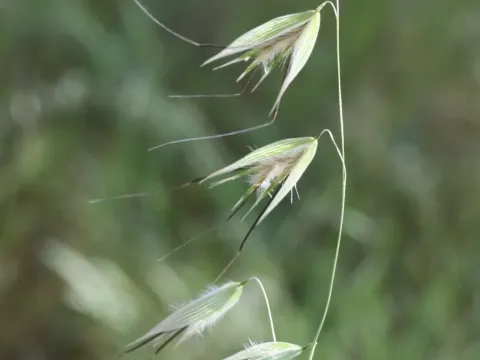
Common oat
Avena cultiformis
Common oat (Avena sativa) is an annual cereal crop belonging to the Poaceae family. It is widely cultivated for its grain, which serves as both human food and animal feed.
What the section contains
Common oat
Sowing typically takes place in early spring, as soon as the ground can be worked. Oats are known for their cold tolerance, which allows them to germinate in cooler soil conditions.
The seeding rate varies based on local environmental conditions and the intended use of the crop, with 4 to 6 million seeds per hectare being a standard target.
Seeds are usually planted at a depth of 3 to 5 centimeters. Proper soil-to-seed contact is essential to ensure uniform emergence and uniform stand establishment.
Early sowing is beneficial as it helps the crop avoid the heat stress of mid-summer, which can negatively impact the filling of the grain panicles.
Oats are moisture-loving plants and thrive in temperate regions with reliable rainfall. They have a relatively high water requirement throughout the growing season.
While adaptable to various soil types, oats perform best on fertile loam or clay loam soils that have good drainage and sufficient organic matter content.
They are known for being more tolerant of acidic soil conditions compared to other cereals like barley or wheat, making them a versatile option for diverse farming regions.
Adequate nutrition is key, with nitrogen application timed to support vegetative growth during the tillering and jointing stages of development.
The crop requires sufficient sunlight to ensure healthy panicle development. Excessive lodging can occur in over-fertilized or overcrowded fields, which hinders harvest.
Average yields range from 2.5 to 5 tons per hectare, depending on the management intensity, variety selected, and the specific weather patterns of the growing year.
Modern intensive farming techniques can push yields higher in favorable conditions, focusing on optimal fertilization and disease management strategies.
Oats have a wide range of uses, from dietary fiber-rich food products like oatmeal to high-energy livestock feed, particularly for horses and ruminants.
The straw is also a valuable byproduct, used extensively as bedding or supplementary feed for cattle, contributing to the overall farm economy.
Export demand for high-quality oats remains stable, as the global food industry continues to prioritize the health benefits associated with oat consumption.
Crown rust and loose smut are among the primary fungal diseases affecting oat crops, which can lead to significant reductions in both yield and grain quality.
Insect pests, including cereal leaf beetles and various aphid species, can cause damage to the foliage and interfere with nutrient uptake during the growth phase.
Integrated pest management (IPM) practices, such as crop rotation and the use of resistant varieties, are essential for maintaining crop health and minimizing damage.
Seed treatment with fungicides before planting is a standard preventative measure to combat seed-borne and early-season soil-borne pathogens.
Regular field scouting allows producers to identify pest outbreaks early and apply corrective treatments before the damage reaches an economic threshold.
Harvest is best performed when the grain has reached the hard dough stage, characterized by a moisture content suitable for efficient threshing and storage.
Windrowing is a common practice that allows the crop to dry evenly before combining, especially in regions with variable weather conditions during late summer.
Direct combining is also a viable option but requires precise timing to avoid excessive shattering of the panicles, which can lead to substantial field losses.
Post-harvest handling involves drying the grain to approximately 14 percent moisture content to ensure long-term stability and prevent mold or insect growth.
Storage facilities must be clean and well-ventilated to maintain grain quality and protect the harvest from pests until it is ready for processing or market sale.