
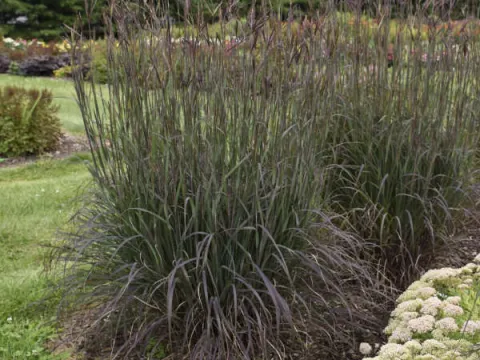
Andropogon
Andropogon hybrids
Sowing of Andropogon hybrids is typically conducted in the spring once soil temperatures reach a minimum of 12–15 degrees Celsius. Adequate moisture in the topsoil is critical during the initial weeks to ensure uniform seed germination.
What the section contains
Andropogon
Row planting is the preferred method, with spacing between 30 and 45 centimeters to facilitate mechanical weed control and field management. Seeds are generally sown at a depth of 2–3 centimeters to maintain optimal contact with the soil profile.
When using a transplanting method, seeds are started in greenhouses 4–6 weeks before the anticipated outdoor planting date. This allows the plants to establish a robust root system before the onset of summer heat and potential drought conditions.
Autumn planting is feasible only in regions with mild winters where seedling frost-heaving is not a risk. The plants must be well-established before the first hard frosts to ensure successful winter survival.
The optimal seeding rate is approximately 10–12 kilograms per hectare, depending on the specific hybrid and the intended use of the crop, whether for forage or biomass harvesting.
Andropogon is a member of the Poaceae family, known for its high ecological plasticity and adaptability to diverse environments. Its deep root system is highly efficient at accessing subsurface moisture, providing resilience during prolonged dry spells.
This crop thrives in full sun exposure; limited sunlight can result in stem lodging and significantly reduced biomass yields. It is essential to choose planting sites that avoid persistent shading from surrounding vegetation or structures.
While Andropogon is adaptable to various soil types, it performs best in well-drained sandy loams. It is capable of growing in nutrient-poor soils, which makes it an excellent candidate for the reclamation of degraded agricultural land.
The plant exhibits exceptional drought tolerance due to its specialized leaf anatomy. It is also capable of surviving brief periods of waterlogging, provided that there is no stagnant water that could lead to root hypoxia.
Field maintenance includes inter-row cultivation during the first year to suppress competitive weed growth. As the stand matures, it forms a dense sod that naturally inhibits the establishment of invasive plant species.
The yield of Andropogon is heavily dependent on nitrogen fertilization strategies and the frequency of harvesting throughout the growing season. Under favorable conditions, the crop produces a dense canopy with a high number of productive stems.
Average biomass yields range from 8 to 15 tons of dry matter per hectare with proper moisture management and periodic fertilization. The stand can remain productive for 5–7 years before needing renovation.
Split applications of fertilizer following each harvest cycle are recommended to stimulate rapid regrowth. This practice maintains the vitality of the plant stand and ensures sustained production over multiple years.
Quality of the biomass is determined by the growth stage at harvest. Harvesting earlier in the season yields higher protein content for forage, whereas later harvests maximize structural fiber for industrial applications.
The chemical composition of Andropogon makes it a valuable source of lignocellulosic material. Consistent management of the stand ensures high-quality raw material suitable for use in bioenergy or fiber production sectors.
Andropogon possesses a strong natural resistance to most common grass pathogens. Disease outbreaks are generally rare and usually occur only under conditions of poor soil drainage or improper plant density management.
Rust and leaf spot fungi may appear in overly dense stands where airflow is restricted. Preventive measures focus on maintaining appropriate spacing and ensuring adequate field aeration to keep leaf surfaces dry.
Pests such as grass-feeding flies or cutworms can occasionally impact young seedlings in the spring. Regular scouting allows for the timely application of integrated pest management strategies before damage reaches economic thresholds.
Root rots are often associated with incorrect planting depth or excessive soil moisture levels. Using high-quality, treated seed and following proper crop rotation patterns significantly lowers the incidence of these issues.
Post-harvest field cleanup is essential to reduce pest overwintering sites. Removing excessive crop residues helps lower the overall disease pressure and promotes a healthier environment for the upcoming growing season.
Harvesting Andropogon is best performed using standard forage harvesters or mowers adjusted for heavy grass crops. Timing is critical to ensure the material is cut before the stems become overly lignified and tough.
A cutting height of approximately 10 centimeters is recommended to protect the plant's growing point and facilitate faster regrowth. Incorrect cutting heights can drastically reduce the longevity and future productivity of the stand.
Following harvest, the material should be field-dried to a moisture content of 15–20% to allow for safe storage. Good sunlight exposure during the drying period helps maintain the nutritional and structural integrity of the crop.
For industrial fiber applications, harvesting may be delayed to allow for increased cellulose accumulation and fiber strength. While this decreases forage quality, it significantly enhances the utility of the biomass for mechanical processing.
Post-harvest management should include the removal of excess stubble to encourage spring tillering. Proper field cleanup simplifies early-season maintenance and fertilization operations for the following growth cycle.