
Andropogon bicornis
Andropogon bicornis
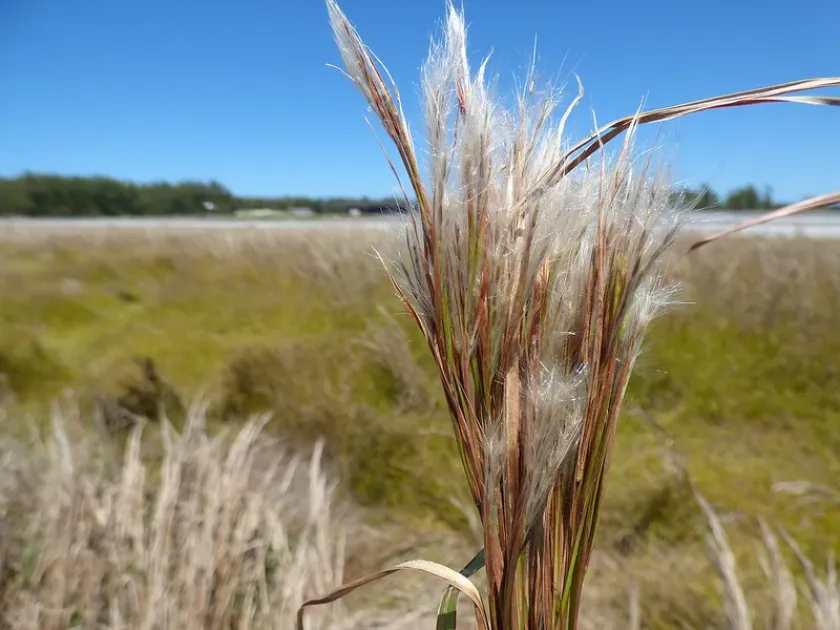
Description
Growing requirements
Andropogon bicornis is a perennial grass species belonging to the family Poaceae. Native to tropical regions of the Americas, this robust grass is well-adapted to humid climates and is known for its dense clumping growth habit, which provides significant soil coverage.
In its natural habitat, the plant thrives in soils with varying degrees of acidity and often colonizes disturbed areas or abandoned pastures. It is particularly valued for its resilience in regions with high rainfall and consistent tropical temperatures throughout the year.
Botanically, it features rigid, linear leaves and distinct inflorescence structures. The plant's deep root system is an essential trait that allows it to survive periodic environmental stresses while contributing to soil structure stabilization.
Agricultural requirements include well-drained soils, although the species demonstrates a notable tolerance to acidic substrates that are common in its native range. Adequate sunlight is crucial for biomass accumulation, influencing the overall vitality of the plant stand.
The primary economic and agricultural use of Andropogon bicornis involves soil conservation and land restoration. Because of its biomass production, it serves as an effective ground cover, helping to prevent soil erosion in tropical agricultural systems.
Main diseases and pests
Common threats to Andropogon bicornis include fungal pathogens that typically emerge in excessively humid conditions. Leaf spots and rusts are the most frequent issues that can impact the photosynthetic capacity of the grass during peak growing seasons.
Pest pressures are generally linked to sap-sucking insects and soil-dwelling larvae that attack the root systems, particularly in young or establishing stands. These threats can reduce the overall vigor of the crop and lead to thinning populations if not managed.
Weed competition represents a significant challenge during the initial establishment phase. Implementing appropriate weed control strategies and ensuring optimal planting density helps the crop establish dominance over unwanted herbaceous species.
Overgrazing or improper harvesting management can lead to the exhaustion of root reserves. When the plant is repeatedly stressed by premature cutting, it becomes susceptible to environmental pressures and secondary infestations.
Effective pest and disease management for this species relies on maintaining crop hygiene, monitoring for early signs of infection, and ensuring balanced soil fertility to strengthen the plant's natural immune response against external stressors.