
Andropogon fastigiatus
Andropogon fastigiatus
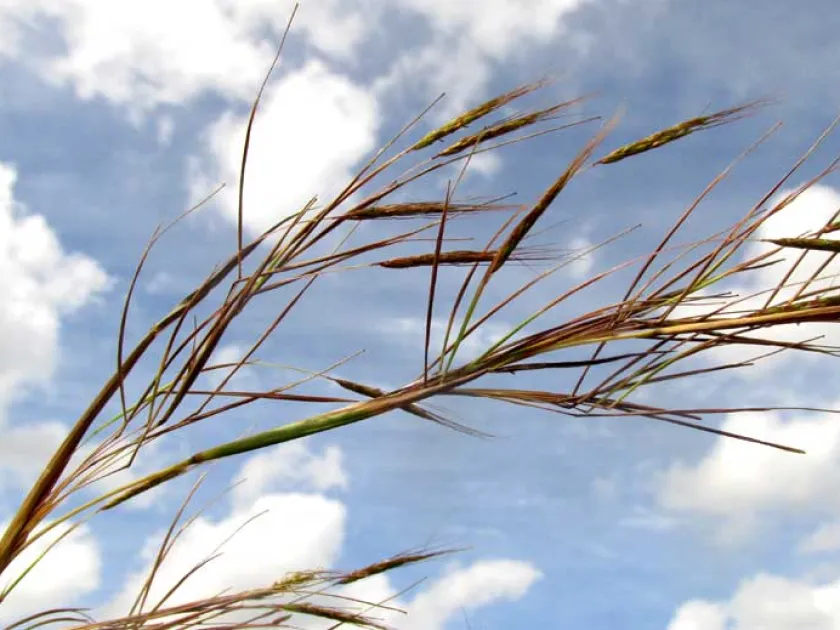
Description
Growing requirements
Andropogon fastigiatus is a perennial grass species belonging to the Poaceae family. It is characterized by the formation of dense tussocks, which provide significant structural integrity to the plant, allowing it to thrive in diverse environmental conditions.
Native primarily to tropical and subtropical regions of Africa, this grass has adapted to survive in various ecological niches. Its resilience allows it to populate areas where other conventional agricultural crops might struggle due to poor soil fertility.
The species has specific climate requirements, preferring warm, sunny environments with consistent daylight hours. It demonstrates a notable tolerance to drought, making it an excellent candidate for regions experiencing erratic rainfall patterns.
Regarding soil, Andropogon fastigiatus performs best in well-drained conditions. It is remarkably capable of growing in acidic and stony soils, showing great adaptability where nutrient-rich, neutral-pH soils are unavailable for intensive agriculture.
In terms of management, the plant requires periodic maintenance to ensure optimal forage quality. While it is hardy, the strategic application of fertilizers can promote more robust biomass production, especially during the peak of the growing season.
Harvesting
The primary agricultural use for this species is as a forage resource for livestock. During the early and middle stages of vegetative growth, the grass provides essential nutrients and fiber required for the health and maintenance of various livestock herds.
Harvesting for hay must be performed before the plant reaches the reproductive stage. Once flowering commences, the stalks undergo lignification, which significantly reduces the palatability and overall digestibility of the forage for ruminants.
Seed production is an important aspect of utilizing this grass for range improvement. Harvesting is typically conducted by gathering the mature inflorescences once they have fully developed to ensure high germination rates for future seeding efforts.
Grazing management is crucial to maintain the longevity of the pasture. Overgrazing can deplete the root reserves of the plant, while under-utilization may lead to an accumulation of dead material that hinders new growth during the next cycle.
Additionally, Andropogon fastigiatus is increasingly recognized for its environmental benefits. Its deep and expansive root system acts as a natural stabilizer, preventing soil erosion in areas prone to heavy runoff or wind-driven degradation.